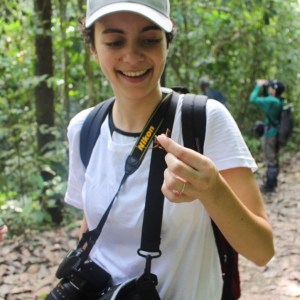
I am a student of marine biology at the International Maritime University of Panama. I have previously gained experience working in laboratories at INDICASAT and STRI, and have worked as a guide at the Punta Culebra Natural Center. These opportunities have allowed me to acquire knowledge in a variety of scientific themes and given me skills to resolve my future professional career. I am especially drawn to understanding how life on earth evolved. I am currently an intern in the O’Dea lab sorting and identifying fossil remains of sea urchins, otoliths and corals to help towards a better understanding of historical changes in coral reef ecosystems over the last few millennia.
I’m a graduated Earth scientist from the Universidad de los Andes, Colombia. My main interests are water quality and groundwater research. Right now, my focus centres on the history of the past environments through palynological techniques in combination with other proxies in marine and continental sediments of the Neotropics. In my dissertation, entitled “The use of n-alkane and Glycerol Dialkyl Glycerol Tetraethers (GDGTs) proxies to reconstruct the palaeolimnological and environmental history of the Panamá Canal”, I used different biomarker techniques and associated environmental indices to better understand historical river catchment processes.
During my fellowship in the O’Dea Lab I will be collecting surface samples from
different areas of the Gatun lake that represents a gradient of human impact. Finally, using X-Fluorescence Spectrometry Analysis (XRF) to perform geochemical ratios. I want to know how the lake geochemistry has spatially varied and responded to the natural or human processes associated with river damming during the last century.
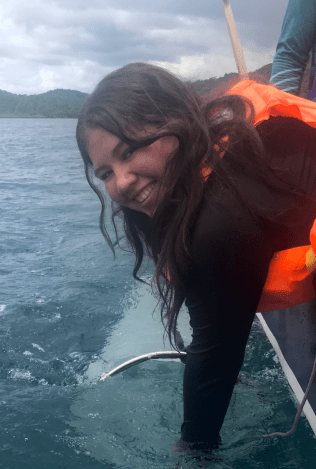
My research question as a Smithsonian MarineGEO fellow at STRI is, What did the coastal marine food webs of Caribbean Panama, Chesapeake Bay, and the rocky shorelines of British Columbia “look like” in the past? My approach is to ask the fish, through measuring the chemical fingerprints within historical, sub fossil, and fossil otoliths (fish ear stones) from sediments and archives. Using otoliths as time capsules of oceans past, this research will reveal new insights on pre disturbance ecological baseline across diverse systems, prior to fishing, land use changes, and rapid climate change.
I am particularly interested in the relationship between food web structure, apex predator trophic level, and nutrient regimes on long time scales. I use nitrogen isotopes, usually in the carbonate-bound organic matrix of fish otoliths (ear stones), to track biogeochemical and food web processes.
In addition to the O’Dea Lab at STRI, I am working in collaboration with the Rick Lab at the Smithsonian Natural History Museum, the Hessing-Lewis Lab and McKechnie Lab at the Hakai Institute, and the Sigman Lab at Princeton University.
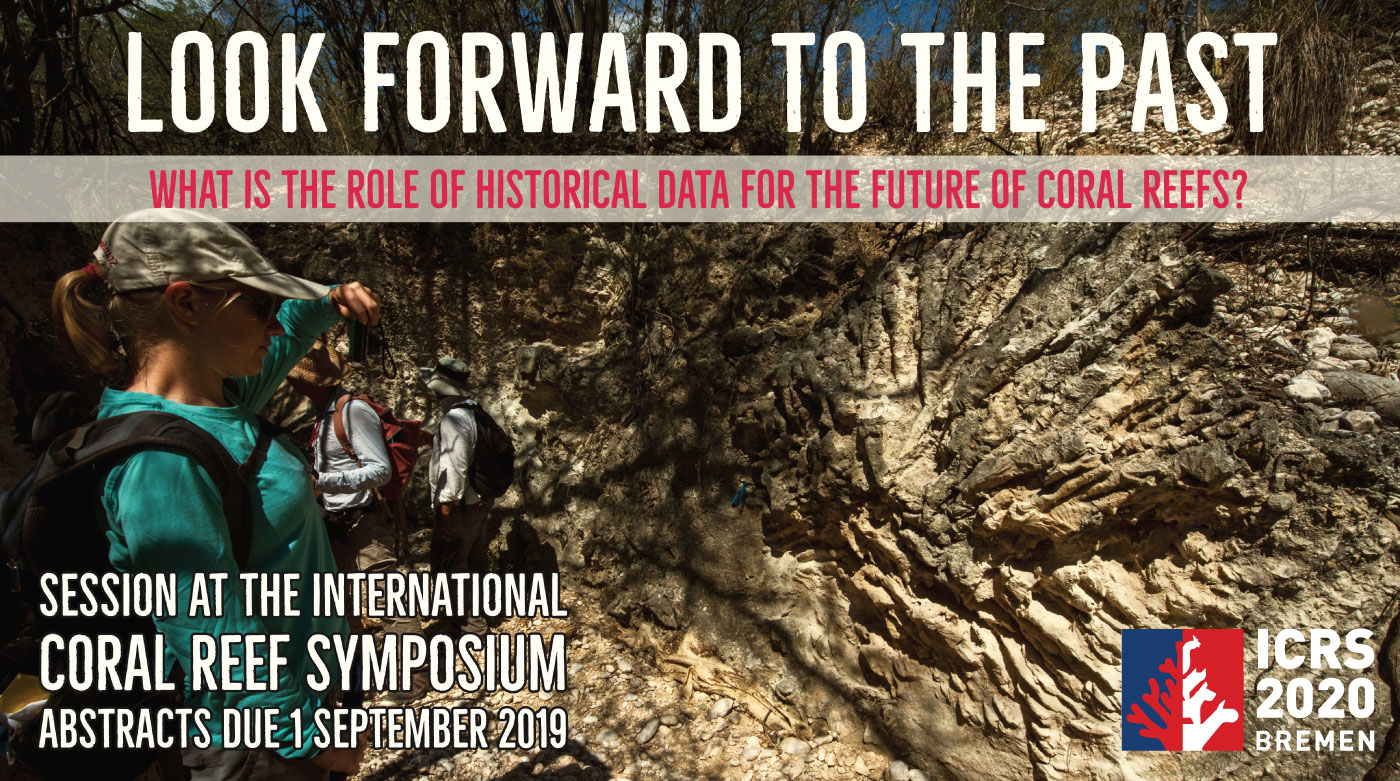
Submit your abstracts to our special session on the historical ecology of coral reefs at the International Coral Reef Symposium to be held in Bremen July 2020 (www.icrs2020.de). Deadline for abstract submission is 1st September 2019.
What role does historical data play in the future of coral reefs?
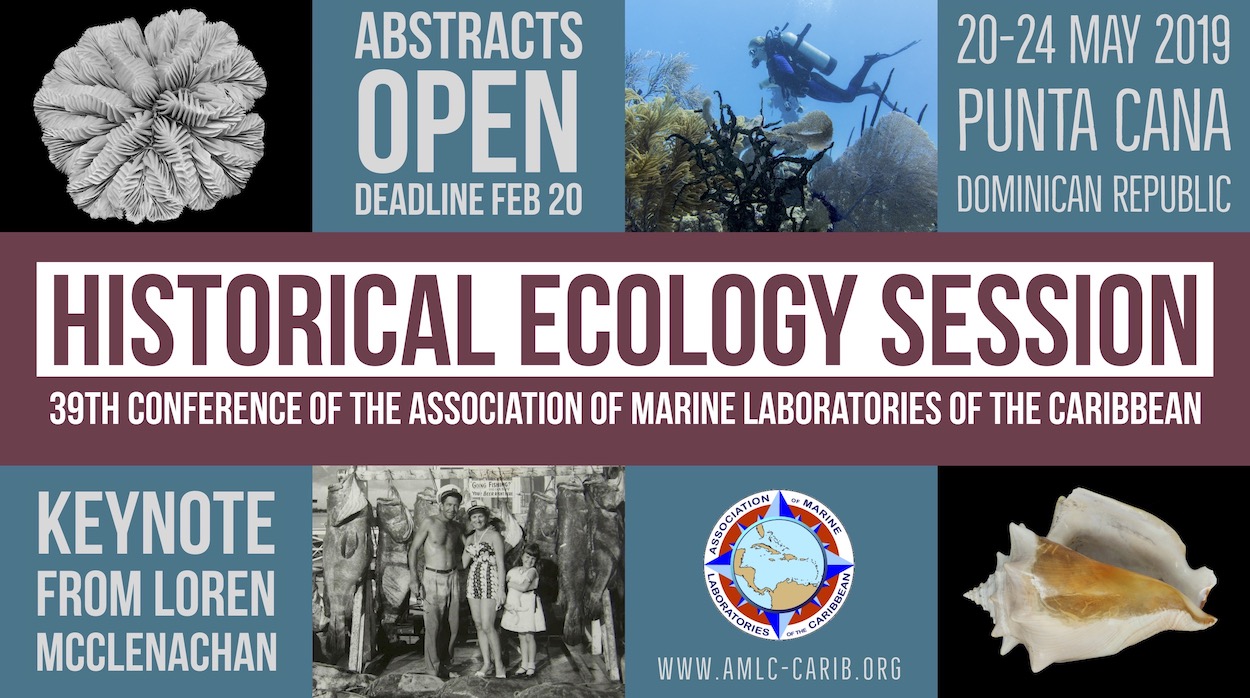
To tackle the future of coral reefs it is essential to understand their ecological and environmental histories. Consequently, the use of historical data in coral reef ecology is expanding. Analytical approaches are maturing, compelling sources of data are being uncovered, and historians, paleontologists and archeologists are collaborating more fluidly with marine biologists and conservationists. This multidisciplinary session will explore how paleoecological, historical, and archeological data can reveal mechanisms of natural and human-driven change in coral reef communities to better understand how they function, both today and in the future. Submissions are welcomed on, but not limited to: incorporating spatial and temporal variation into baselines; resolving drivers of change in ecological structure; identifying legacy effects, non-analogue communities and refugia; developing emerging methods (e.g ancient DNA); and improving dialogue with reef managers, conservationists, and policymakers.
Chairs
Aaron O’Dea, Smithsonian Tropical Research Institute, aaronodea@gmail.com
John Pandolfi, University of Queensland, j.pandolfi@uq.edu.au
Loren McClenachan, Colby College, lemcclen@colby.edu
Erin Dillon, UC Santa Barbara, erinmdillon@ucsb.edu
Flantua S.G.A., O’Dea A., Onstein R.E., Giraldo C., Hooghiemstra H. 2019. The flickering connectivity system of the north Andean páramos. Journal of Biogeography 46:1808– 1825. 10.1111/jbi.13607
I am an undergraduate at UC Berkeley studying Molecular Environmental Biology with a focus on ecology. I have worked in the Finnegan lab. My project at STRI will be to gather topographic data from around the Panama region and utilize GIS approaches to map sea level changes that have occurred throughout the last 20,000 years. This project will provide a valuable insight into understanding the marine ecosystem changes that have occurred in Panama.
My other interests are in marine paleobiology, ichthyology, and scuba diving. I plan to pursue graduate school for Marine Biology to become a better researcher and steward of our oceans.
I’m currently enrolled as a graduate student at McGill University in a program that focuses on neotropical ecosystems. My master’s project is centred around herbivory interactions and the effect of overfishing on Caribbean coral reefs. I study how fishing can change the community structure of parrotfish and their life history traits, as well as how these changes in fish community affect reef health in Barbados.
In the O’Dea lab, I will be looking at the historical relative abundance of sea urchins from sediment samples collected in the Pacific coast of Panama. I will be collaborating with Jon Cybulski, a STRI fellow in the lab, to investigate relationships between the community structure of these herbivores and accretion rates of coral reefs.
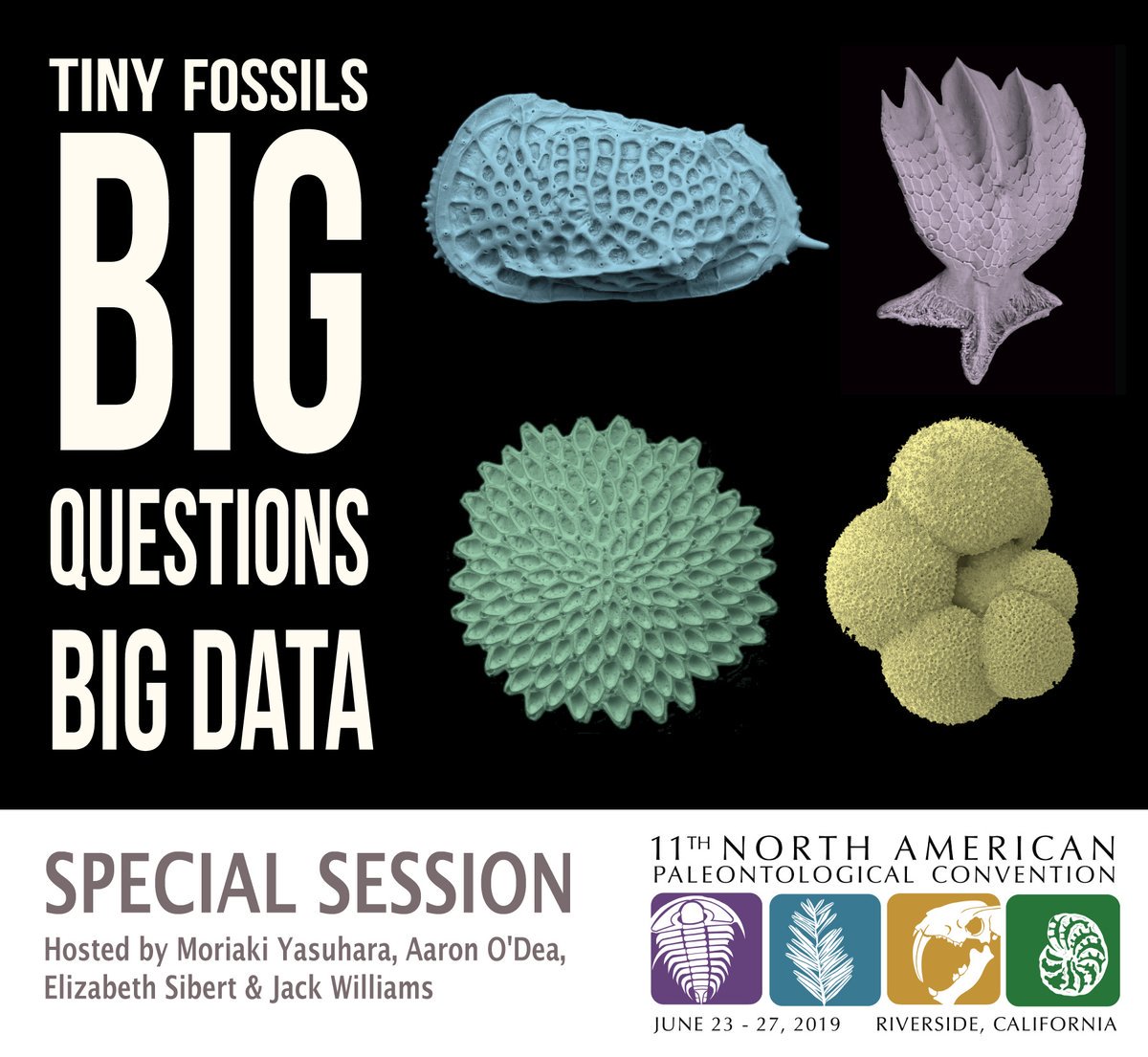
Please join our session and North American Paleontological Convention, held in UC Riverside this year, to explore how small fossils can make big contributions to our understanding of the past.
What do you get when you combine a three-meter-long piece of aluminum irrigation pipe, a fence post driver, an old pipe clamp, and a motley crew of scientific divers? Quite a lot, it turns out.
We were twelve meters deep on a fringing reef along the northern coast of Moorea, a French Polynesian island in the South Pacific, braving bad weather and blinding plumes of swirling silt to unravel the history of these reefs. We hammered relentlessly, trying to hold the pipe perfectly upright as it crept, centimeter by centimeter, deeper into the sediment (Fig. 1). Excitement coursed through usas the pipe slid further and further down into the matrix of sediment and dead branching coral. We held our breaths (figuratively speaking; don’t worry, diving safety officers), hoping that the core barrel would not hit a large coral head and get stuck. We hammered and hammered, the air left in our tanks being the only limiting factor.
Figure1. Pounding the core barrel into the substrate, surrounded by clouds of silt.Photo credit: Aaron O’Dea
Pounding the core barrel into the sand was challenging, but pulling it out was even harder. We curled ourselves awkwardly around the pipe and twisted and tugged until finally the core was free. This core would give us a chronology of the reef over the last several hundred years, pre-dating modern monitoring efforts and major human impact in the region.
After over 20 hours of dive time as well as significant lifting, paperwork, and logistical maneuvering, we tallied up our spoils – around 650kg of sand. These samples were then shipped on pallets over 6700km to our lab in California, where they will be processed and carefully examined with a microscope to yield a tiny treasure trove of shark dermal denticles, fish teeth, otoliths, urchin spines, sponge spicules, foraminifera, and coral fragments – each piece a window into the past. Together, these remnants, contextualized by high precision coral dating, allow us to reconstruct how these coral reefs have changed over time alongside Moorea’s human history. I’ll be spending my days counting and classifying the shark dermal denticles (Dillon et al. 2017) to explore how shark communities shifted in size and composition over time on islands with different levels of human impact and settlement histories (Moorea as compared to Tetiaroa and Rangiroa). At the same time, some of my colleagues in the lab will be teasing apart patterns in the number and types of fish otoliths and teeth, particularly those belonging to important reef herbivores. Our coring work on Moorea is one piece of this larger puzzle, but it all begins with countless meters of pipe, ambition, and a lot of heavy lifting.
References
Dillon E, Norris R, O’Dea A (2017) Dermal denticles as a tool to reconstruct shark communities. Mar Ecol Prog Ser 566:117–134. http://dx.doi.org/10.3354/meps12018.
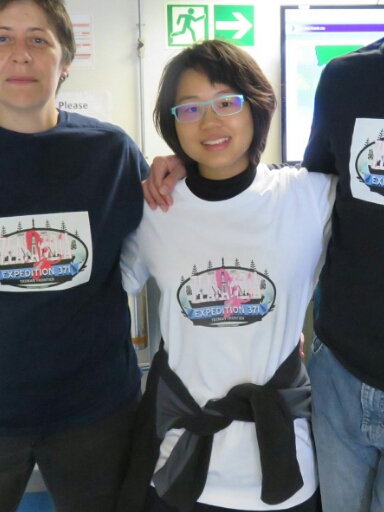
I am a micropaleontologist with a specialty in marine ostracods. I did my PhD in the University of Hong Kong. I love being on a research vessel, searching for answers in the vast ocean, and working with many scientists from diverse backgrounds. I am broadly interested in how species originated, distributed or went extinct in response to paleoenvironmental changes. Ostracods is a large class of bivalved crustaceans with a wide variety of ecological preferences, and is useful in paleoecological studies. In the STRI, I will be reconstructing the ostracod faunal changes during the emergence of the Panama Isthmus to shed light on the vulnerability of benthic meiofauna to environmental shifts.
Presently, I am a Ecology and Biodiversity Ph.D. candidate in Dr. David Bakers Coral Biogeochemistry lab at the University of Hong Kong, Swire Institute of Marine Science. My dissertation research focuses on one simple overarching theme: What were coral assemblages like during Hong Kong’s past? To answer this, my work combines classical paleo and historical ecology techniques to collect marine sub-fossils, characterize their diversity changes, and then I use various biogeochemistry methods to extract isotopic information and see what stressors have been impacting them through time.
While in Panama in the O’Dea lab, I will be studying coral sub-fossils collected in push-cores from the Pacific side of Panama. Through species identification and taphonomic analysis, I hope to determine if a mid-Holocene high stand (a period in the past few thousand years with slightly higher mean sea levels) occurred in Panama. If a highstand did occur, I want to know what it can tell us about future sea level projections over the next 100 years due to anthropogenic climate change. In this way, we may be able to get a better understanding of what impacts sudden sea level changes have on coral communities, and what we can do to protect and give them a chance for survival.
Besides rocks and old dead things, I love weightlifting, playing sports, going on any type of outdoor excursion, brewing beer, or reading epic fantasy novels.


 My research question as a Smithsonian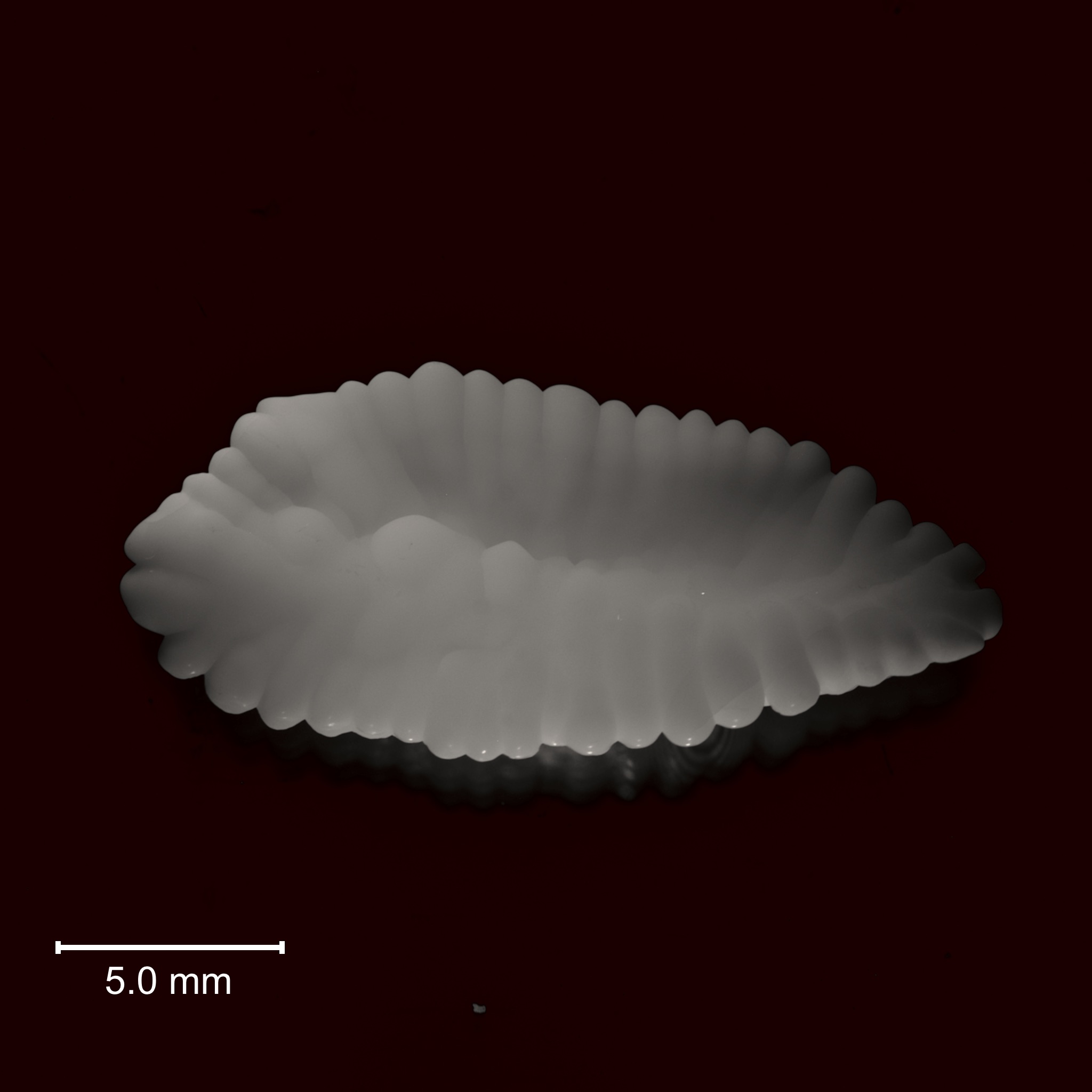





 O'Dea Lab
You must be logged in to post a comment.