Miles Thompson

stri intern

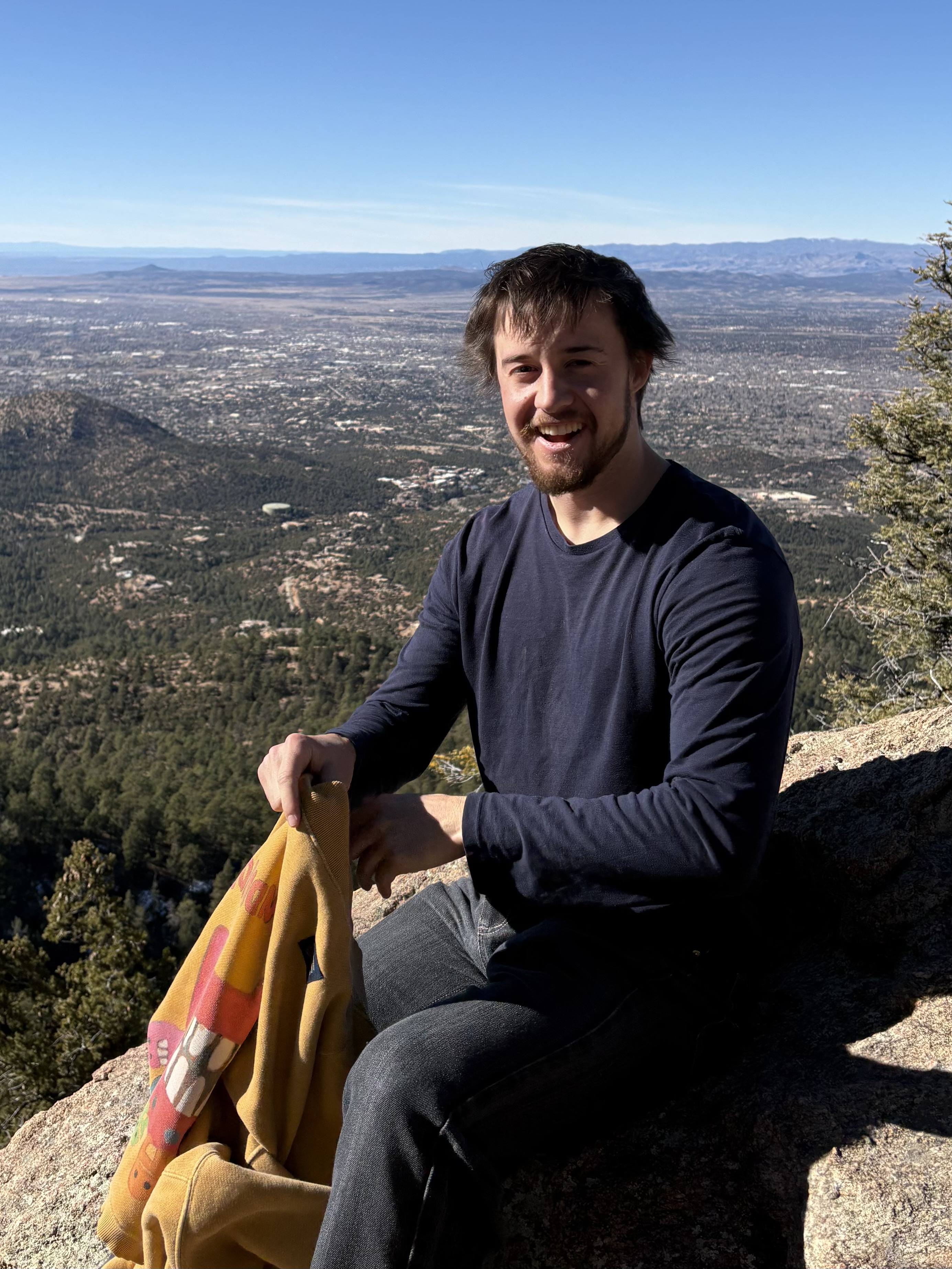
I am a recent graduate of Grinnell College, where I studied Studio Art and Biology. I also studied abroad in the Galapagos Islands through the Universidad San Francisco de Quito, where I grew interested in tropical ecology and marine ecosystems. As an artist and aspiring biologist, I am excited about how art can be used to share scientific insights with wider audiences. In particular, I explore how art can connect others to the excitement and curiosity I feel about nature. In the past, I have worked with natural history museums in New Mexico (where I am from) to produce scientific illustrations of collection specimens and recent discoveries. 

I am excited be a part of the O’Dea lab and to build on my prior art and research experiences. I will be using field observations to create artwork documenting and comparing coral reef, mangrove, and seagrass ecosystems. I will also be comparing present and past marine ecosystems and learning about paleontological lab techniques, such as fossil extraction and identification. By the end of the internship, I will exhibit a body of work centered on the biodiversity and ecological structure of marine habitats across ecosystems and time periods. My hope is that, through art, I can share the work happening at the O’Dea lab in a way that can be appreciated by a range of scientists and non-scientists. 

Ian Cooke-Tapia

Reportage Illustrator & Writer

Ian is co-author and illustrator of Martina and the Bridge of Time (www.panamartina.com).

Ian is a multicultural and multidisciplinary illustrator, visual journalist, and writer of weird fiction.  He has a wide breadth of interests, from cultural intersectionality to science communication, and Pre-Columbian art.

Ian takes particular interest in the effect environments have on individuals and culture both as a source of illustrative material and as inspiration for short stories. His work often appears as illustrations and sketches of a place and the people therein. In creating engaging visual records of mundanity often ignored, Ian aims to show that the lenses of normality often hides a true multiplicity and complexity to our every individual, collective and cultural action.

Ian joins the O’Dea Lab not just to document the day-to-day of scientific research, but find the multilayered relationships between researchers, their investigations, and the stories waiting to be told by the people in these tropical “paradises” we rarely ever hear from. By displaying these findings as information-rich illustrations, Ian aims to bring tropical sciences, folk knowledge and novel communication methods to a wider audience, both in his native Panama and around the world.

Irene Kopelman

In 2016, artist Irene Kopelman brought her unique and endearing perspective of nature to our science.

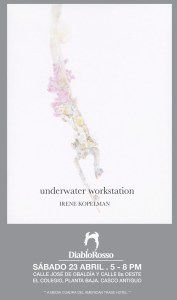
Irene built her “Underwater Workstation” where she used fossils from our lab and living organisms with Andrew Altieri’s lab (including two live mangrove root systems covered in sponges, ascidians and other creatures) to reflect on (amongst other things) the surprising similarities between the processes of science and art. Read more about Irene’s underwaterworkstationScreen Shot 2016-12-05 at 19.08.46.png


irene_underwater_workstation_flyer_cropped

Kristin Bell

Scientific Illustrator

download.jpeg

The lab was lucky enough to have the excellent scientific illustrator Kristin Bell.

Kristin worked closely with several members of the team. She tackled the tricky concept of illustrating how Caribbean coral reefs have degraded based upon quantitative data from our research.

She also effectively illustrated how damselfish garden in thickets of staghorn coral, and how the behaviour is preserved in the fossil record

damsel garden.jpg