Isabella Leonhard

Stri fellow

I am a doctoral student in the Palaeobiology and Historical Ecology group at the University of Vienna. In my dissertation, Survival of the Smallest? I focus on how climate change and other human pressures influence growth and life history in black gobies – small, bottom-dwelling generalists that often swim under the scientific radar. Although not commercially targeted and may appear unremarkable, black gobies are key players in coastal ecosystems, offering valuable insights into how non-commercial species respond to long-term environmental change.

I use incrementally grown ear-stones (otoliths) to compare modern goby growth patterns with radiocarbon-dated fossil (Holocene) otoliths from sediments. These small, calcified structures grow throughout a fish’s life, recording seasonal growth like tree rings. As the only complex parts that regularly accumulate on the seafloor, otoliths offer rare archives of historical growth patterns, making them ideal for reconstructing long-term trends and establishing baselines of pre-industrial conditions.

Thanks to the James Van Tassell Fellowship, I am excited to temporarily swap the Mediterranean for the tropics. During my stay in Panama, I will use similar otolith-based methods to study growth and life history variation in cryptobenthic gobies from the Caribbean and the tropical eastern Pacific – ecologically essential reef fishes that, like their Adriatic relatives, leave behind a historical record that can help uncover how tropical ecosystems have changed through time.
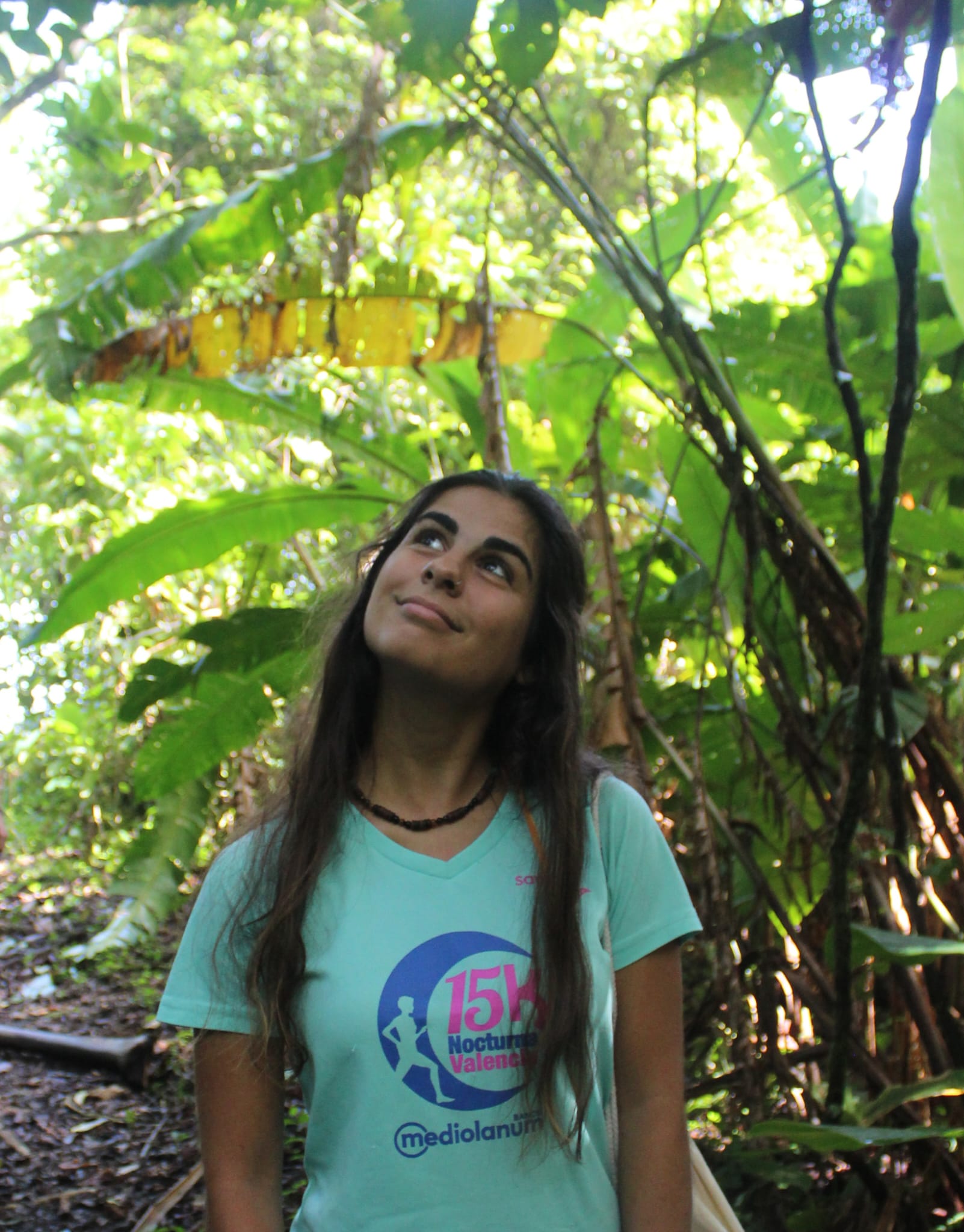
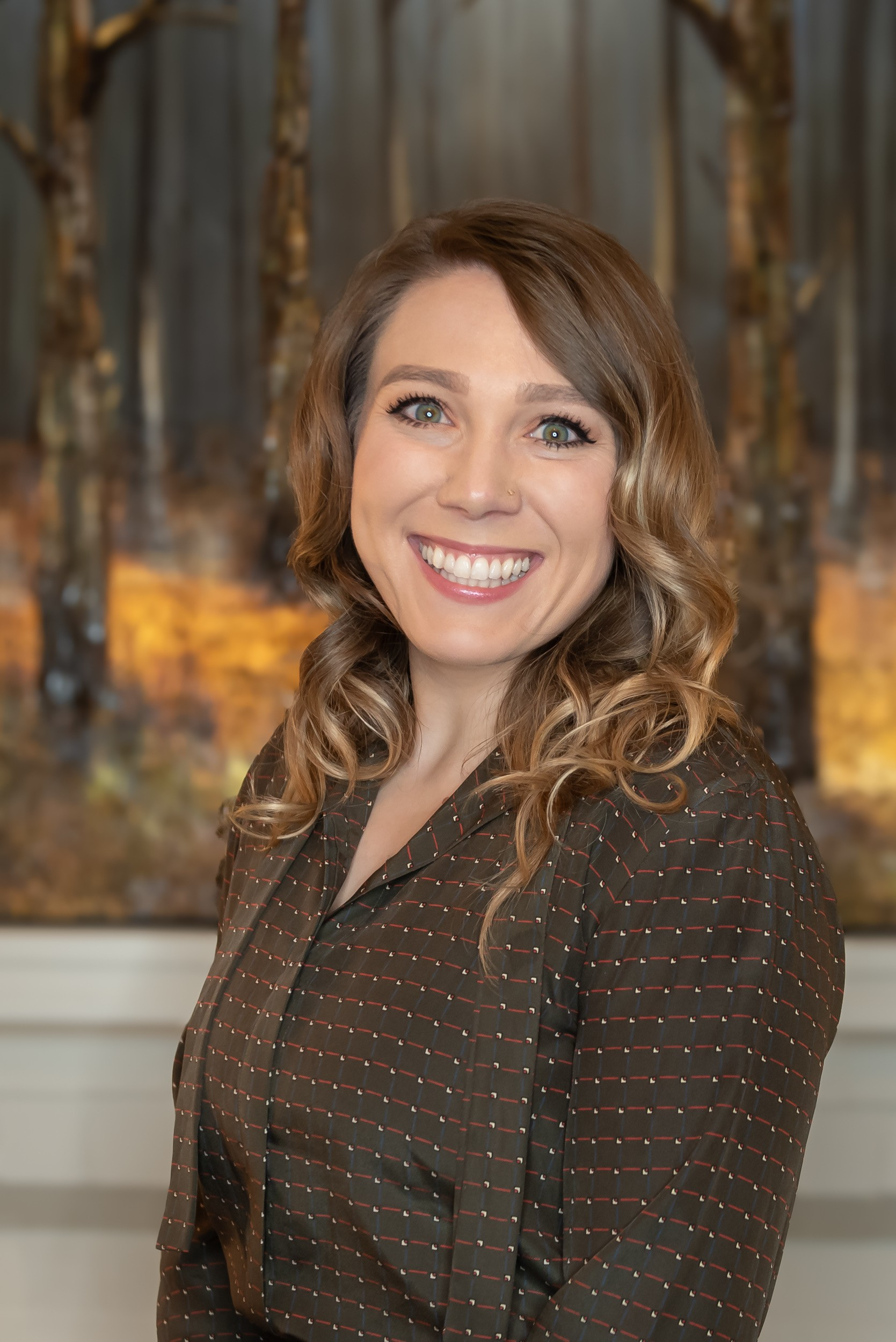
Carmen Peréz Medina

STRI-bold fellow

I am a marine scientist interested in how oceanographic processes shape the structure and functioning of coastal marine communities. Specifically, I am drawn to understanding how nutrient subsidies modulate primary productivity and influence energy flow in coastal ecosystems.

At the O’Dea Lab, I explore the seasonal and regional variability of oceanographic dynamics along the coasts of the Eastern Tropical Pacific. As part of this work, I participate in oceanographic cruises during both the dry and rainy seasons off the Pacific coasts of Panama and Costa Rica aboard the S/Y Eugen Seibold. These expeditions aim to characterize wind-driven seasonal upwelling events that bring cold, nutrient-rich waters to the surface, as well as to study nearby regions that maintain warm, nutrient-poor conditions throughout the year.

Ultimately, I aim to pursue a PhD to investigate how these episodic nutrient inputs affect the efficiency of energy transfer through coastal food webs, comparing systems with stable oceanographic conditions to those influenced by upwelling.

Carmen’s fellowship is provided thanks to a generous donation from the Payne family.

Amanda Godbold

STRI postdoctoral FELLOW

As a conservation paleobiologist, my research focuses on understanding metacommunity dynamics and the factors influencing biodiversity across different spatial and temporal scales. I am particularly intrigued by how these patterns vary with scale, with a primary emphasis on reef ecosystems and the complex roles of corals and sponges. At the Smithsonian Tropical Research Institute (STRI), I am committed to revitalizing aspects of the Paleontological Database Project (PPP), leveraging this robust resource to explore community-level dynamics, such as the processes of community reassembly following disturbances caused by the emergence of the Isthmus of Panama.

Heather Donnelly

STRI FELLOW

I am a PhD candidate in Dr. Xingchen (Tony) Wang Stable Isotope Biogeochemistry Lab at Boston College. My research aims to understand nitrogen cycling within corals and coral reefs as well as how anthropogenic influences and climate change affect nitrogen cycling in these systems by using stable isotopes. During my fellowship at the O’Dea lab, I will utilize the isotopic composition (δ15N) of organic nitrogen bound within coral skeleton that has recently been utilized to detect symbiosis in ancient corals. The basis of this proxy is that symbiotic corals are expected to exhibit lower δ15N compared to their non-symbiotic (aposymbiotic) counterparts due to internal nitrogen recycling, and this δ15N signal is preserved in coral skeleton. Yet, robust field studies are still needed to groundtruth its application in natural settings. I aim to exploit Panama’s unique collection of modern and fossil corals to rigorously test the δ15N symbiosis proxy. The findings are expected to shed light on the future of coral symbiosis in the face of intensifying climate change.

Sven Pallacks

STRI FELLOW

Recently, I have completed my PhD at the Autonomous University of Barcelona in Spain. During my doctoral studies, I have investigated the effects of ocean warming, acidification and deoxygenation on the Mediterranean ecosystem, by reconstructing plankton and mesopelagic fish dynamics beyond the temporal scale of instrumental records. With the STRI short-term fellowship, I would like to build on my PhD research, and further investigate the impacts of ongoing ocean deoxygenation on mesopelagic fish energetics. To do so, I am using their otoliths (ear-stones) which accumulate on the seafloor after they die. Comparing otolith morphometry and chemistry from either site of the Isthmus of Panama allows me to determine if mesopelagic fish body size, growth and habitat depth is affected in oxygen deprived waters, such as the pronounced Oxygen Minimum Zone off the coast of Panama in the Pacific Ocean. My research is driven by a fascination of these tiny, often overlooked but incredibly important fish, as they play a vital role in ocean food webs, carbon cycling and sustaining aquacultures.

Samuel Rivera

RaMP-UP Fellow

I recently graduated from the University of California, Los Angeles with a B.S. in Ecology, Behavior, and Evolution and a minor in Geographic Information Systems and Technology. I have a broad interest in marine systems and especially enjoy working with coastal invertebrates. My past research has been in better understanding the use of macroalgae as a food source and habitat on sandy beaches and the spatial distribution patterns of invertebrates. In the O’Dea lab, I will be working with Sacoglossans, which are sea slugs that can obtain energy from photosynthesis through the chloroplasts they consume from algae. I will be working with Kim Garcia to achieve a better understanding of how this trophic strategy, known as kleptoplasty, impacts the life histories of these organisms and how different environmental conditions can affect this strategy as well. In my free time, I enjoy going on hikes and runs, and love to draw and paint.

Me gradué recientemente de la Universidad de California en Los Ángeles con una licenciatura. en Ecología, Comportamiento y Evolución con mención en Sistemas de Información Geográfica y Tecnología. Estoy interesado generalmente en los sistemas marinos y especialmente disfruto trabajando con invertebrados costeros. Mis investigaciones anteriores han consistido en comprender mejor el uso de macroalgas como fuente de alimento y hábitat en playas arenosas y la distribución espacial de los invertebrados. En el laboratorio del Dr. O’Dea trabajaré con los sacoglosos, que son un grupo de babosas marinas que pueden obtener energía por medio de la fotosíntesis usando los cloroplastos que consumen de las algas. Trabajaré con Kim García para lograr entender mejor cómo esta estrategia trófica, conocida como cleptoplastia, impacta las historias de vida de estos organismos y también cómo diferentes condiciones ambientales pueden afectar esta estrategia. En mi tiempo libre, disfruto hacer caminatas y correr, y me encanta dibujar y pintar.  

Kyawt Aye

STRI Fellow

I am a PhD student in palaeoceanography and palaeoecology at the University of Hong Kong. I work with microscopic fossils called ostracods to understand how tropical shallow-marine biodiversity in the Caribbean evolved within the last 10 million years. Having an understanding of how tropical marine ecosystems behaved in the past can help acknowledge the possible tipping point of future tropical diversity crises against a changing climate. During my fellowship at the O’Dea lab, I will make progress in processing the Panama Palaeontology Project samples and undertake fieldwork in different areas of Panama. Using these samples, I hope to explore the patterns of origination, extinction, diversity, and faunal change of ostracods within the environmental record of the Isthmus of Panama.

Jon Cybulski

STRI Fellow and Ph.D. candidate University of Hong KongJon_diving_2.jpg

Presently, I am a Ecology and Biodiversity Ph.D. candidate in Dr. David Bakers Coral Biogeochemistry lab at the University of Hong Kong, Swire Institute of Marine Science. My dissertation research focuses on one simple overarching theme: What were coral assemblages like during Hong Kong’s past? To answer this, my work combines classical paleo and historical ecology techniques to collect marine sub-fossils, characterize their diversity changes, and then I use various biogeochemistry methods to extract isotopic information and see what stressors have been impacting them through time.

While in Panama in the O’Dea lab, I will be studying coral sub-fossils collected in push-cores from the Pacific side of Panama. Through species identification and taphonomic analysis, I hope to determine if a mid-Holocene high stand (a period in the past few thousand years with slightly higher mean sea levels) occurred in Panama. If a highstand did occur, I want to know what it can tell us about future sea level projections over the next 100 years due to anthropogenic climate change. In this way, we may be able to get a better understanding of what impacts sudden sea level changes have on coral communities, and what we can do to protect and give them a chance for survival.

Besides rocks and old dead things, I love weightlifting, playing sports, going on any type of outdoor excursion, brewing beer, or reading epic fantasy novels.

Abhy Verdurmen

Intern (SENACYT, STRI, University of Panama)

DSCF4024I’m a Biology undergraduate student at University of Panama profoundly interested in Marine Biology and paleontology, especially the evolution, adaptation and ecology of coral reefs. I’m working on a project that consists of reconstructing the Caribbean reef fish communities of the past, and my master tools for this research are fish otoliths. Otoliths have distinct shapes that enable us to identify fish families, sometimes even to the level of species and fossil otoliths may help us reconstruct the reef fish community of the Caribbean 7000 years ago (i.e. before human impacts). This information will provide a baseline that will enable us to compare “pristine” with modern reef fish communities.

Abigail Kelly

STRI Pre-doc fellowDSCN1150 (1)

Abby is working on a project that explores how marine life, specifically molluscs, respond to the differing energy regimes of the Pacific and Caribbean sides of the Isthmus of Panama. The Pacific experiences coastal upwelling and high nutrient availability, corresponding to high productivity, while the Caribbean experiences no upwelling and low productivity. How do marine communities, which share many of the same species, differ between the Caribbean and Pacific sides?


Erin Dillon

PhD Student UC Santa Barbara and STRI Fellow

Reconstructing shark communities using dermal denticles preserved in reef sediments

What were shark communities like before humans? Ecological surveys and historical records demonstrate significant declines in Caribbean shark populations, yet pre-exploitation baselines are nonexistent. Dermal denticles – tiny, tooth-like scales lining the skin of elasmobranchs – can offer insight into shark communities on reefs. We have found denticles to be beautifully preserved in fossil and modern reef sediments, allowing morphometric analysis and classification. Denticle traits are also closely associated with shark ecology and can paint a picture of shark community composition. Evaluating the relative abundances of different denticle morphotypes in sediment samples across time and space can both supplement existing survey data – using time-averaged modern sediments – and assist in the reconstruction of pre-human shark baselines – using the recent fossil record. This previously unexplored data source may reveal what shark communities looked like prior to the advent of fishing, facilitating exciting and important assessments of the magnitude and ecological consequences of global shark declines and producing more meaningful conservation targets.

Save our seas         ~          Erin’s Website