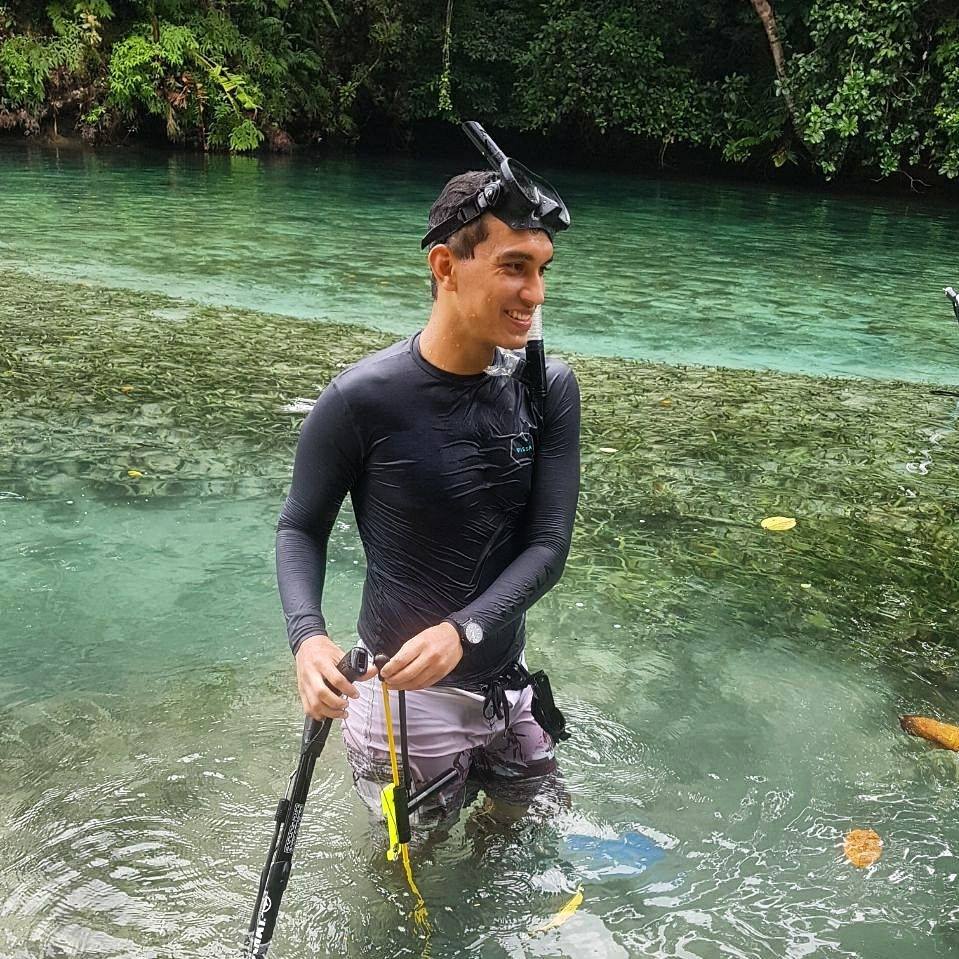
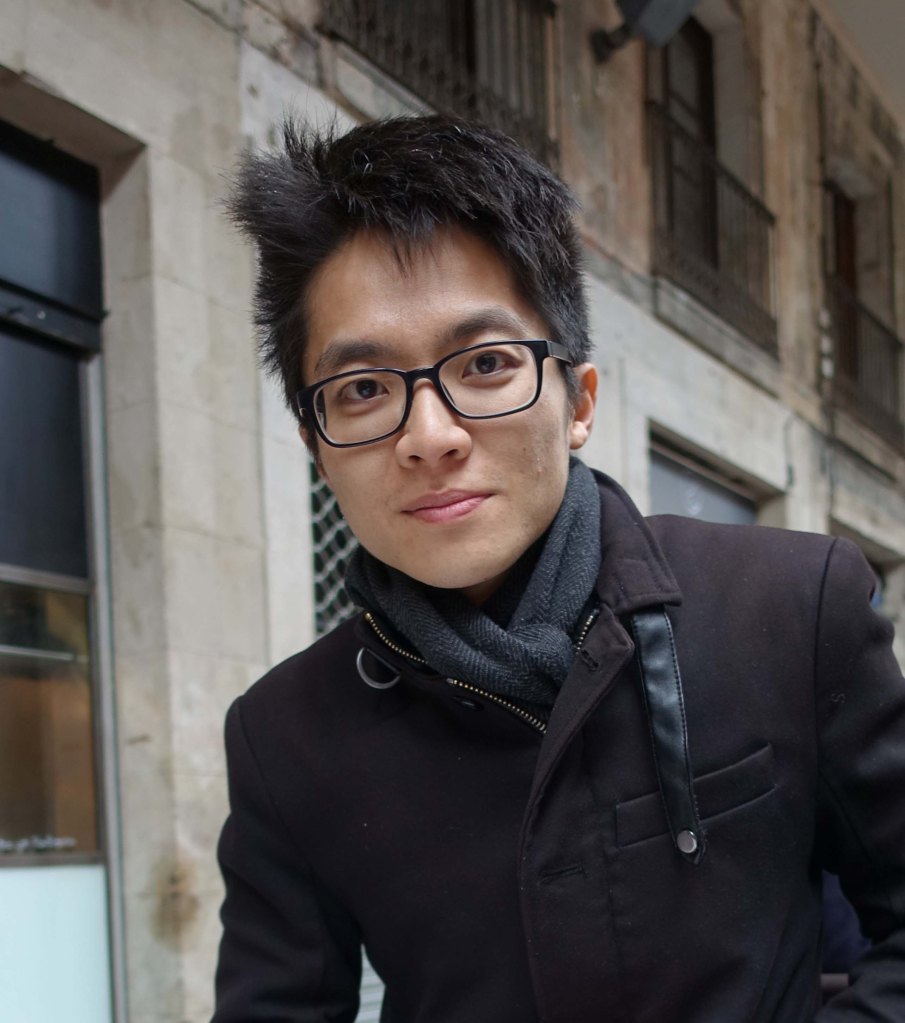
Adrián Despaigne Cooke

vOLUNTEER

Soy Adrián Despaigne Cooke. Un joven panameño interesado en la paleontología marina, sobre todo los restos fósiles de tiburones. Desde siempre me ha parecido peculiar la geología, particularmente la formación de fósiles y su composición, llegando incluso a obtener el apodo de “piedrero” algunas veces debido a mi costumbre de recolectar piedras. Igualmente la biología animal me fascina, particularmente la biología de los animales marinos. Es por eso que soy voluntario en el O’Dea lab, un laboratorio centrado en mejorar el entendimiento de cómo la vida cambia a través del tiempo.

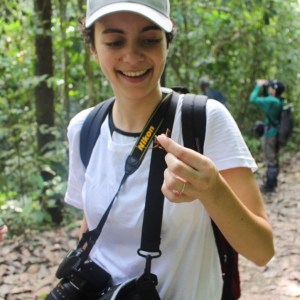
Estephany Martínez

STRI VOLUNTEER

Soy Estephany Martínez, voluntaria de STRI. Nacida en la provincia de colón, actualmente tengo 24 años, participo en el laboratorio dirigido por el Sr. Aaron O’DEA. Mi color favorito es el verde, respeto el ciclo de vida de los seres vivos, aunque llore en el proceso, soy amante de la naturaleza, la respeto y todo lo que ella conlleva, plantas, animales y lo que nos ofrece y que debemos proteger. Me gustan los deportes en especial el futbol y me encanta la comida (sobre todo la que no es sana). Soy estudiante de administración marítima y portuaria con aspiraciones a estudiar ciencias para convertirme en veterinaria, creo que el esfuerzo es el primer paso hacia la realización de metas y logros.

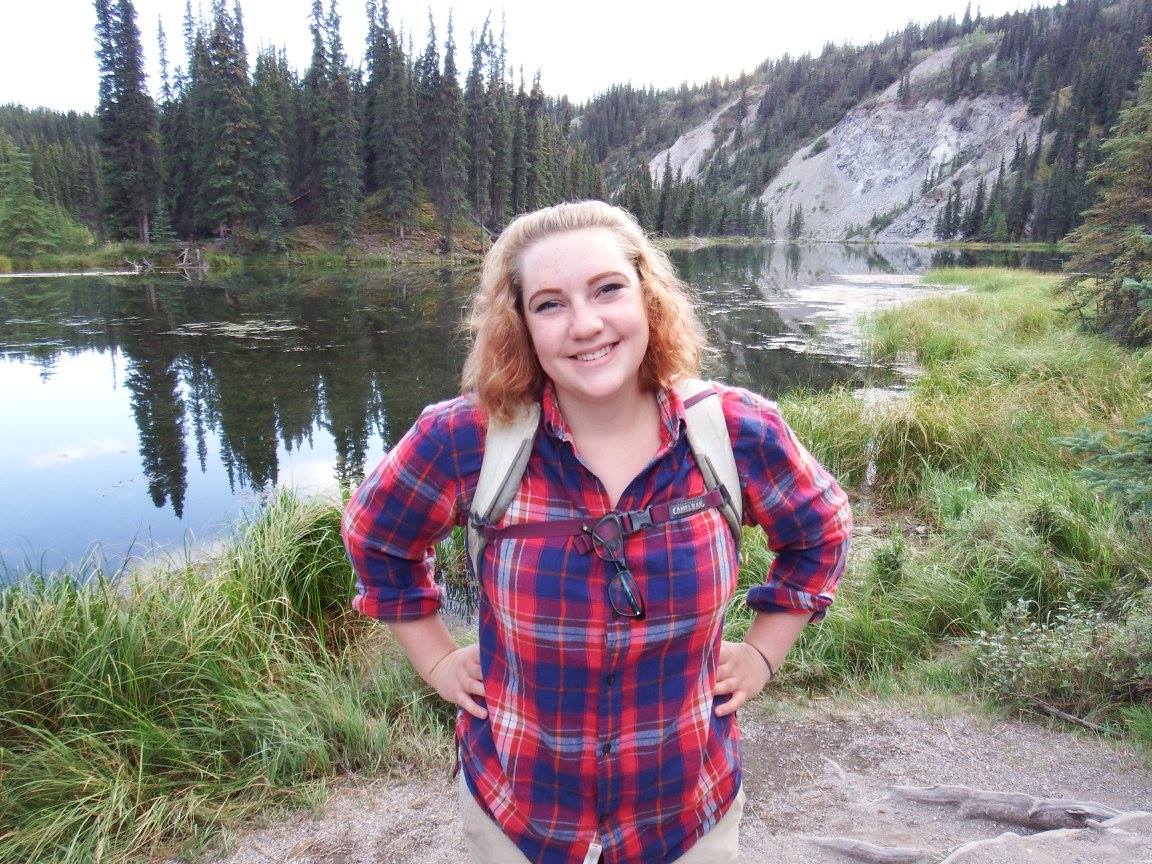
Paige Gardner

STRI Intern

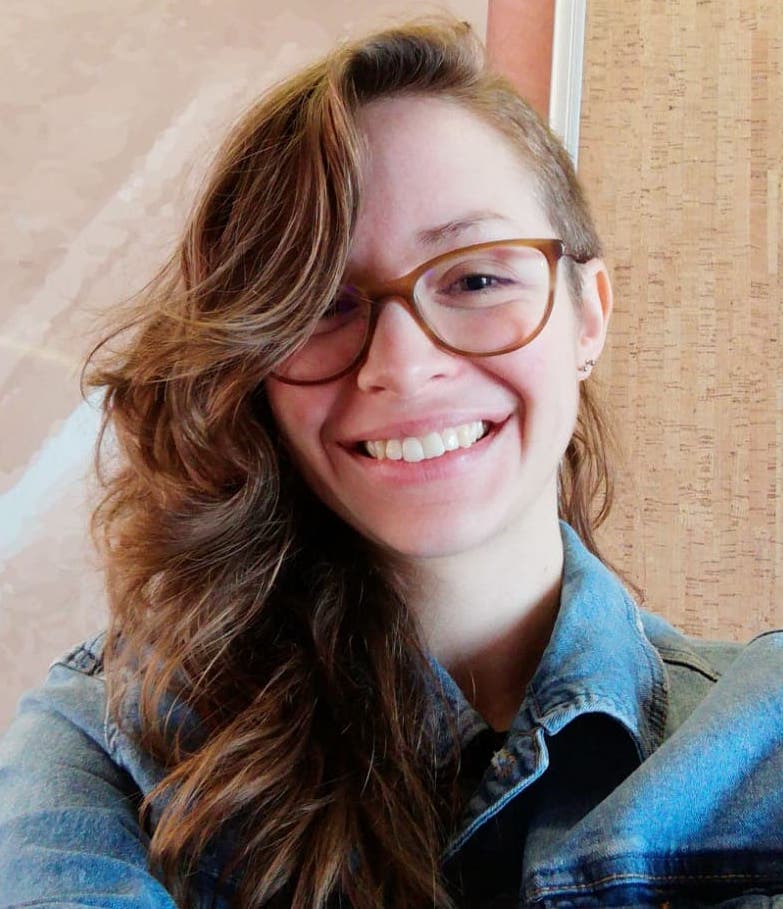
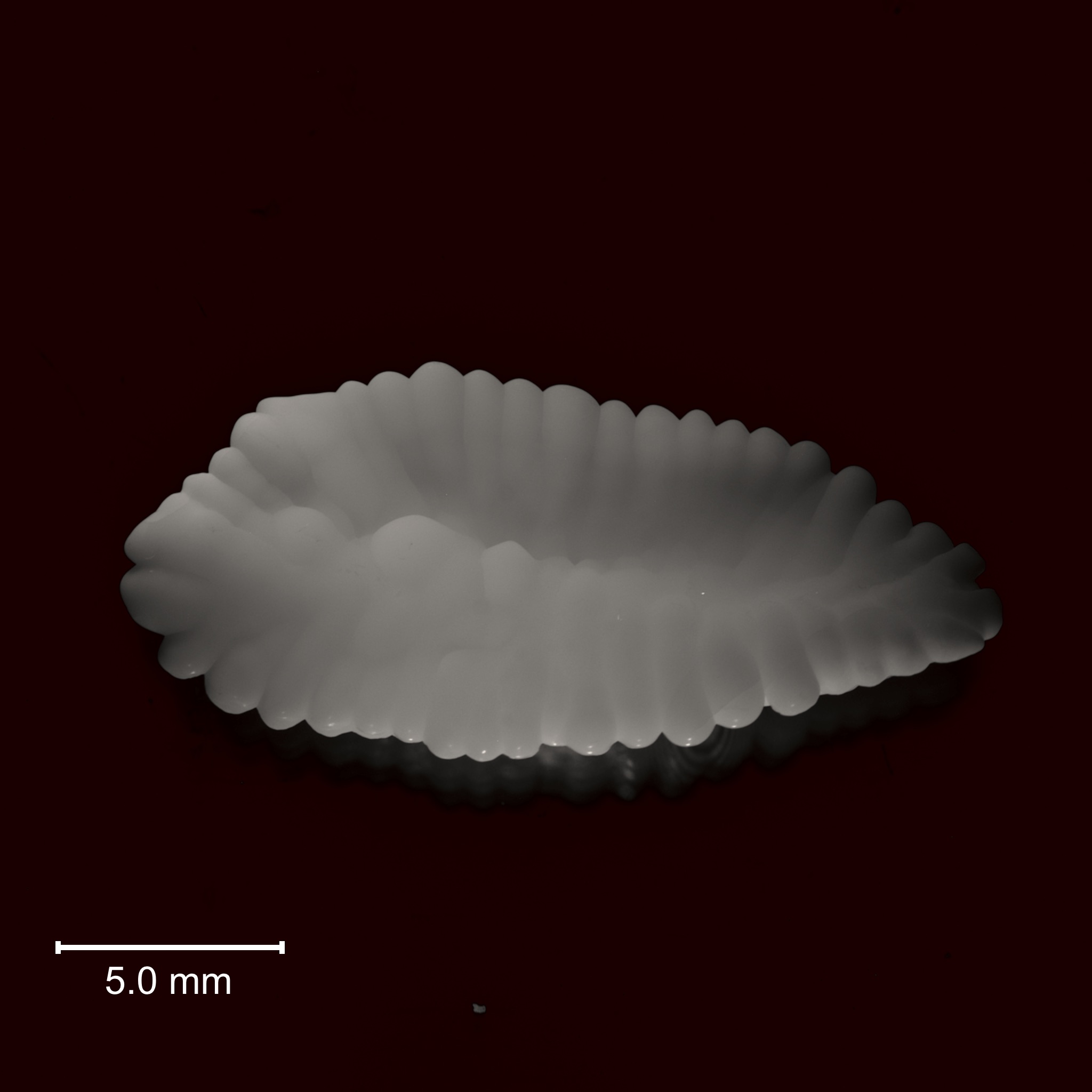
Hello! I am thrilled to be returning to Panama to work with the O’Dea lab. I am studying fish movement and invasion in the Panama Canal using otolith geochemistry. I am interested in using stable isotopes to better understand the movement of marine fishes into the freshwater Lake Gatun. I hope to be able to use my research to inform fisheries conservation plans and gain a better understanding of the processes underlying natural phenomena.

I graduated from Washington State University in May 2022 with a BSc in Biology and a minor in Environmental Sciences. I will be attending University of California Santa Cruz in Fall 2023 to begin my PhD in Ecology and Evolutionary Biology.

Favorite organisms: Arctic Grayling Trout, Mobular Ray.

Teresa Peil

STRI Intern

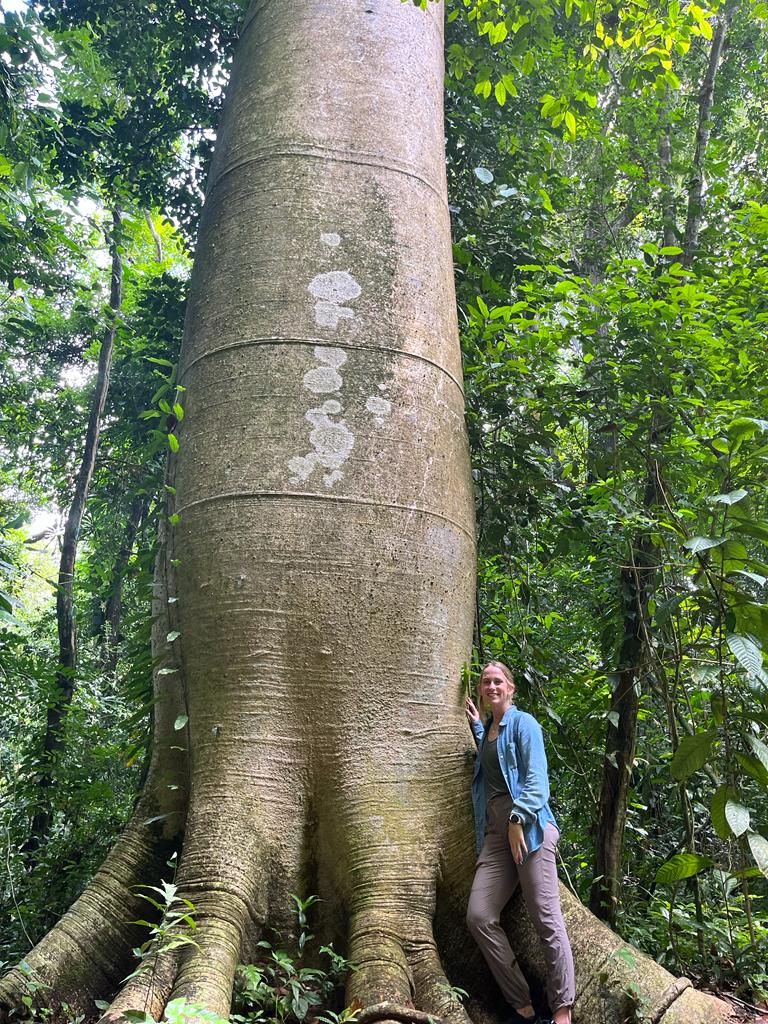
I am currently in my Master for marine biology at the University of Rostock. As part of my master’s thesis I got the opportunity to do an internship at STRI in the O’Dea lab. I will do my master’s thesis in the Eco-Evolutionary Interactions Group at the Max-Planck Institute for Marine Microbiology in Bremen for which I will do the fieldwork in Panama.  I will collect clams at both sides of the Panama Isthmus to investigate the evolution of symbiotic interactions between Microbes and Lucinid clams. The main goal will be the development of these lucinid clam shells as a marker for microbial nitrogen fixation of symbionts. For further studies I will also collect and look into existing fossil records to get a grasp of the changes before, during and after the closure of the Isthmus. I am very interested in ecological evolutionary processes and I love searching for fossils.

Kimberly García-Méndez

Lab Manager

Hello! I am marine biologist from Costa Rica. Over the last years, I have been working on the systematics and taxonomy of mollusks, with particular interest in sea slugs and nudibranchs. I use traditional and molecular approaches to reveal the diversity and evolutionary relationships of these charismatic organisms. As a scientist, I always have been intrigued by the question of how marine species originate and the underlying mechanisms of their evolution. I believe that science should be accessible for all members of the society and a safe place to stimulate our curiosity and creativity. When I am not looking for nudibranchs in the ocean, I probably will be traveling somewhere to hike mountains and making memories with my family.

¡Hola! Soy bióloga marina costarricense. En los últimos años me he dedicado a estudiar la taxonomía y sistemática de los moluscos marinos, con especial interés en las babosas marinas y nudibranquios. A través del uso de técnicas tradicionales y moleculares, busco dilucidar la diversidad y las relaciones evolutivas de estos carismáticos invertebrados. Desde mis inicios en la ciencia, siempre he estado fascinada por responder el cómo las especies marinas se originan y los mecanismos subyacentes de su evolución. Considero que la ciencia debe ser compartida con todos los grupos de la sociedad, y que a su vez ésta brinde un espacio seguro que estimule nuestra curiosidad y creatividad.  Cuando no estoy buscando nudibranquios en el mar, probablemente esté subiendo montañas y disfrutando al lado de mi familia.

Maybelline Ureña

STRI intern

Soy estudiante de Biología Marina y Limnología egresada de la Universidad de Panamá, con interés en ecología marina, ictiología, oceanografía y arqueología. 

Me interesa conocer como procesos oceanográficos a nivel regional pueden influir sobre las comunidades de organismos costeros como invertebrados y peces.  

La fauna marina sufre cambios estacionales a raíz de fenómenos como el afloramiento, y la presión antropogénica continental. Con esto en mente, creo que el estudio fisiológico y morfológico de la ictiofauna es muy importante. Por lo cual durante este período en STRI estaré en trabajando en O’Dea lab con otolitos para conocer la viabilidad de estos para determinar la edad de peces arrecifales y ayudando a elaborar una colección de referencia. 

Abner Al Berda

Soy antropólogo y máster en arqueología náutica y subacuática. Actualmente trabajo en mi investigación doctoral en arqueología marítima sobre el comercio y la navegación de tradición indígena en el Pacífico de Panamá durante la Época Prehispánica.

La arqueología marítima es un término amplio y fundamental para el desarrollo de la arqueología panameña desde una perspectiva integradora e interdisciplinaria. Es la combinación del estudio de los contextos terrestres y acuáticos para entender las relaciones de los seres humanos con el medio, de una manera diacrónica, a lo largo del proceso histórico.

La arqueología marítima se enfoca en el estudio de las sociedades y su interacción con el mar; incluyendo la pesca, la transformación de fauna marina en artefactos o productos, faros, construcciones portuarias, estaciones balleneras, ciudades portuarias e industrias vinculadas a la explotación de los recursos marinos.

En este sentido, estoy interesado en investigar el aprovechamiento de los recursos marinos, los instrumentos utilizados, las embarcaciones que permitieron realizar estas actividades y las interacciones de los antiguos habitantes de Panamá, en yacimientos arqueológicos terrestres o subacuáticos, como consecuencia del cambio de línea de costa. Los indígenas del istmo de Panamá, desde el pasado, se han adaptado a los paisajes marítimos, fluviales y lacustres. El conocimiento del entorno les ha permitido vivir en ellos y mantener relaciones entre las islas y la zona continental, hasta con otras culturas.

En el Laboratorio del Dr. O’Dea (Smithsonian Institute) me ocupo de la investigación en los documentos históricos de datos etnográficos sobre al uso de tiburones en el archipiélago de Las Perlas durante la Época Colonial, en el proyecto en curso “Historical Change on Coral Reefs”.

Estelle Bapst

STRI Intern

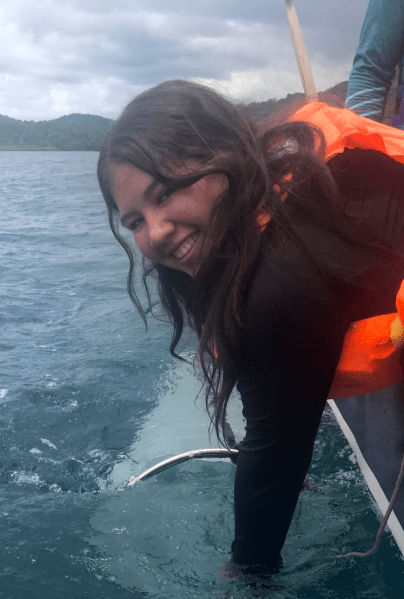
I am studying a Masters in Biodiversity and Conservation of Marine Ecosystems at the Sorbonne University in Paris. My project at STRI is to use ancient DNA to explore millennial scale changes in biodiversity of coral reefs. I am also keen on diving, surfing and dancing. Travel is another interest, and I am often curious about discovering new countries and traditions.


71380408_490250421521375_271085768649211904_n

Ximena Shaw

STRI Intern

Screenshot 2019-12-31 at 20.11.50

I am a student of marine biology at the International Maritime University of Panama. I have previously gained experience working in laboratories at INDICASAT and STRI, and have worked as a guide at the Punta Culebra Natural Center. These opportunities have allowed me to acquire knowledge in a variety of scientific themes and given me skills to resolve my future professional career. I am especially drawn to understanding how life on earth evolved. I am currently an intern in the O’Dea lab sorting and identifying fossil remains of sea urchins, otoliths and corals to help towards a better understanding of historical changes in coral reef ecosystems over the last few millennia.

Juan Sebastian Camacho Puerto

STRI Short Term Fellow

I’m a graduated Earth scientist from the Universidad de los Andes, Colombia. My main interests are water quality and groundwater research. Right now, my focus centres on the history of the past environments through palynological techniques in combination with other proxies in marine and continental sediments of the Neotropics. In my dissertation, entitled “The use of n-alkane and Glycerol Dialkyl Glycerol Tetraethers (GDGTs) proxies to reconstruct the palaeolimnological and environmental history of the Panamá Canal”, I used different biomarker techniques and associated environmental indices to better understand historical river catchment processes.

During my fellowship in the O’Dea Lab I will be collecting surface samples from
different areas of the Gatun lake that represents a gradient of human impact. Finally, using X-Fluorescence Spectrometry Analysis (XRF) to perform geochemical ratios. I want to know how the lake geochemistry has spatially varied and responded to the natural or human processes associated with river damming during the last century.

Picture 1

Max Titcomb

STRI Intern

I am an undergraduate at UC Berkeley studying Molecular Environmental Biology with a focus on ecology. I have worked in the Finnegan lab. My project at STRI will be to gather topographic data from around the Panama region and utilize GIS approaches to map sea level changes that have occurred throughout the last 20,000 years. This project will provide a valuable insight into understanding the marine ecosystem changes that have occurred in Panama.

My other interests are in marine paleobiology, ichthyology, and scuba diving. I plan to pursue graduate school for Marine Biology to become a better researcher and steward of our oceans.

Processed with VSCO with g1 preset

Jihane Benbahtane

STRI Intern

UNADJUSTEDNONRAW_thumb_57bc (1)

I’m currently enrolled as a graduate student at McGill University in a program that focuses on neotropical ecosystems. My master’s project is centred around herbivory interactions and the effect of overfishing on Caribbean coral reefs. I study how fishing can change the community structure of parrotfish and their life history traits, as well as how these changes in fish community affect reef health in Barbados.

In the O’Dea lab, I will be looking at the historical relative abundance of sea urchins from sediment samples collected in the Pacific coast of Panama. I will be collaborating with Jon Cybulski, a STRI fellow in the lab, to investigate relationships between the community structure of these herbivores and accretion rates of coral reefs.

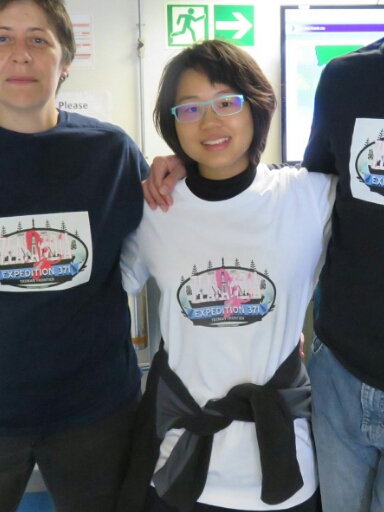
Huai-Hsuan May Huang

STRI Fellow

X371logo.jpg

I am a micropaleontologist with a specialty in marine ostracods. I did my PhD in the University of Hong Kong. I love being on a research vessel, searching for answers in the vast ocean, and working with many scientists from diverse backgrounds. I am broadly interested in how species originated, distributed or went extinct in response to paleoenvironmental changes. Ostracods is a large class of bivalved crustaceans with a wide variety of ecological preferences, and is useful in paleoecological studies. In the STRI, I will be reconstructing the ostracod faunal changes during the emergence of the Panama Isthmus to shed light on the vulnerability of benthic meiofauna to environmental shifts.

www.researchgate.net/profile/Huai_Hsuan_Huang

Note: May will soon defend her Phd in the lab of Moriaki Yasuhara

Jorge Morales

Lab ManagerDSCN2031.JPG

I am an environmental biologist from Panama, interested in understanding how coastal marine ecosystems respond to human-induced perturbations, and how to apply this knowledge to conservation and management strategies.

Katie Griswold

STRI Fellow

14103072_10210865839581143_5514213328906920352_o.jpg

I am working on a project with Dr. Chien-Hsiang Lin that uses otolith assemblages to investigate the life histories of holocene reef fish. I am searching for patterns in the sizes of these assemblages over time, space and habitat. Through the study of otolith assemblages, we hope to contribute information to what coral reef fish communities were like in a time before human influence. This information can be compared to present reefs and can shape our ideas about ecosystem conservation.

I graduated from Boston University with a B.A. in marine science and biology, then spent a year as an Americorps after-school educator before I joined STRI as a research assistant. My personal interests lie at the intersection of research and community-driven conservation. I hope to explore marine ecological questions while supporting connections to the natural world through citizen science outreach.

Ramiro J Solís

SENACYT & STRI intern

22089361_10203755535325107_7780598286786180057_nI am a student of Marine Biology at the International Maritime University of Panama. I have previously worked on the ​​taxonomy,  identification and ecology of coral reef fish. I am currently working on a project that seeks to create the first collection of micro-gastropods in Panama, and at the same time investigate the variability in time and space of these organisms on a geological scale at the Caribbean and Pacific side of Panama to understand environmental changes. My primary goal as a marine biologist is to help develop science in Panama to help preserve the natural world.

Alexis Sullivan

STRI Short Term Fellow and doctoral student at PSU

2015-07-16 15.19.59 crop

Alexis’ Personal webpage

I am a Biology Ph.D. graduate student in George (PJ) Perry’s Anthropological Genomics Lab at Penn State University. My dissertation research is focused on integrating morphological and evolutionary genomics techniques to characterize how human behavior impacts non-human evolutionary biology.

I am working with Aaron at STRI to collect modern, archaeological, and paleontological shell materials from Bocas del Toro. Strombus pugilis is a species of conch that has decreased in body size at maturity over the past ~7000 years possibly due to size-selective human subsistence pressures. I’ll export these shell samples, along with some modern tissue samples, back to PSU and attempt to extract and sequence both modern and ancient DNA from these materials.

One long-term goal is to perform a genome-wide association study (GWAS) to identify genetic loci associated with body size variation in these marine snails. These loci could then be studied with evolutionary population genomic methods to test the hypothesis that small body size has evolved via a history of positive natural selection. If ancient DNA can be extracted and sequenced from the archaeo- and paleontological sites, it will be possible to directly track the evolutionary history of size-associated genetic variants over time, relative to genetic variants from other regions of the genome.

Blanca Figuerola

SENACYT & STRI Post-doctoral Fellow

My research sits between the established disciplines of biodiversity, ecology, chemical ecology and mineralogy in the context of the global change using bryozoans as model organisms.

blancafiguerola

My current research aims are (a) to present new data on bryozoan species richness and the spatial patterns from poorly known regions, (b) to evaluate the ecological and applied effects of their natural compounds and (c) to deepen current understanding of skeletal geochemistry so that we can assess better how they will respond to global change.

Why study bryozoans?

Bryozoans are ubiquitous and important members of many benthic communities with high productivity, biodiversity and many ecosystem services and their global species richness is still largely underestimated. Biodiversity and biogeographical baseline studies are starting points for monitoring and rapidly assessing changes associated with threats such as climate change and the establishment of invasive marine species.

They inhabit depths between the intertidal to abyssal plains, and at all latitudes in the oceans. The broad bathymetrical and geographic ranges of some species make them useful organisms for evaluating depth and/or geographical-related changes.

They are known to produce natural products (NPs), such as alkaloids and terpenoids, although research in NPs and their role in an ecological context have focused mostly on other phyla.

They are often dominant skeletal-carbonate producers in temperate and polar waters that secrete skeletal calcite containing significant amounts of Mg-calcite. Their skeletons are more soluble than skeletons with low Mg content, and consequently, more susceptible to ocean acidification, as the solubility of calcite increases with its Mg-calcite content.

Nicte-Ha Muñoz

STRI Intern

nicte

Nicte-Ha did her master’s  degree in marine biology at Reefs System Unit, UNAM, Mexico. There, she investigated the growth rates of fossil and modern corals as proxies to understand environmental change.

As an intern scientist of the O’Dea lab, Nicte-Ha expects to  gain a wider perspective on how the study of past marine environments can help to develop better strategies for conservation of current coral reef ecosystems that are under the current effects of human impacts.

Nicte has now moved on to the Altieri lab

Chien-Hsiang Lin

STRI Post-doctoral Fellow

c-h-lin

I am a taxonomist and primarily use fish otoliths to explore systematic and ecological questions. Much of my work uses sea bottom otolith assemblages as a study system, but I also work on fossil materials to address their paleoecological, biogeographical and evolutionary aspects.


Melisa Chan

Intern (STRI and College of the Atlantic)

11057221_1200174916675890_4708391133992757548_nI am an undergraduate student at College of the Atlantic in Bar Harbor, Maine, pursuing a degree in Human Ecology with a concentration in marine biology. I am interested in the ecological relationship between sea turtles and the communities in which they belong. Subsequently, I hope to make further contributions to the restoration and conservation of both in my homeland, Malaysia.
At STRI I am assisting Mauro Lepore in quantifying the differences in community composition between fossil reefs and sub-recent reefs in Bocas del Toro. This internship will provide me with a new perspective to approach marine conservation: how the study of marine historical ecology can be utilized to better inform coral reef restoration and conservation efforts.

Felix Rodriguez

DSC_3624
Soy biólogo y paleontologo marino y los moluscos son mi gran pasión. Utilizo la taxonomía como una herramienta para identificar cientos de estos animales, tanto del registro fósil como modernos. Me interesan las interacciones ecológicas, depredador-presa en función del hábitat y los efectos antopocénicos sobre el medio ambiente, desde el punto de vista de conservación.El enfoque que utiliza el proyecto es súper interesante, ya podemos ir al pasado usando la paleontología; saber cómo eran los ambientes, que especies dominaban y que ha cambiado.


Graciela Quijano

STRI Intern

foto mia

Soy Bióloga egresada de la Universidad de Panamá con orientación a la biología animal. Estoy realizando una pasantía que va enfocada específicamente a la clasificación de los moluscos utilizando muestras de la costa del Pacífico así como del Caribe. En este proyecto manipulare organismos del registro fósil como modernos, separando las especies según caracteres morfológicos que me ayudaran a inferir entre familias y géneros. Teniendo en cuenta que los moluscos son un grupo muy diverso y complejo y el cual ha sufrido un proceso evolutivo muy interesante a lo largo de todo este tiempo.

Henbelk Hernandez

STRI Intern

20140308_093822(0) 1

My interests lie in geology and paleoecology, specifically the structure, constitution, behaviour, and evolution of physical processes and how they interact with biology. I am working with Erin Dillon to process fossil and modern reef sediments from the Dominican Republic for her shark dermal denticle project. Through this opportunity, I hope to gain experience in the lab and learn more about microfossils and their application in interpreting environmental change over time, which will assist my future academic studies in paleoecology.


Abhy Verdurmen

Intern (SENACYT, STRI, University of Panama)

DSCF4024I’m a Biology undergraduate student at University of Panama profoundly interested in Marine Biology and paleontology, especially the evolution, adaptation and ecology of coral reefs. I’m working on a project that consists of reconstructing the Caribbean reef fish communities of the past, and my master tools for this research are fish otoliths. Otoliths have distinct shapes that enable us to identify fish families, sometimes even to the level of species and fossil otoliths may help us reconstruct the reef fish community of the Caribbean 7000 years ago (i.e. before human impacts). This information will provide a baseline that will enable us to compare “pristine” with modern reef fish communities.

Jorge Salgado

Post-doc (Now Professor at University College London)

IMG_1922

My research focuses in the understanding of multiple factors influencing freshwater biodiversity over time. I am interesting in the synergies between the introduction of exotic species, water pollution, hydrological alterations and climate change affecting lake assemblages in the Anthropocene. My work integrates paleolimnological techniques, historical data and contemporary monitoring data in human-impacted tropical lakes to:

  1. Assess how tropical lake communities respond over time (decadal to centennial) to environmental change (e.g. eutrophication, climate change and lake water level alterations).
  2. Determine if dominance of exotic aquatic plants and fish are a direct consequence of competitive exclusion with native species; or whether dominance is an indirect cause from direct negative effects of habitat disturbances on native communities.
  3. Explore if there have been positive impacts from the introduction of exotic species (e.g. carbon sequestration.

Abigail Kelly

STRI Pre-doc fellowDSCN1150 (1)

Abby is working on a project that explores how marine life, specifically molluscs, respond to the differing energy regimes of the Pacific and Caribbean sides of the Isthmus of Panama. The Pacific experiences coastal upwelling and high nutrient availability, corresponding to high productivity, while the Caribbean experiences no upwelling and low productivity. How do marine communities, which share many of the same species, differ between the Caribbean and Pacific sides?


Yamilla Samara

STRI Intern

PhotoI am a student at Keiser University in Nicaragua who will be transferring to FIU this year to pursue a degree in Marine Biology. I am working alongside Erin Dillon helping process fossil and modern sediment samples to find shark denticles and formulate a hypothesis of how shark communities were before humans. This will allow me to explore new areas of marine biology and gain experience doing research. It will also help me understand how fossils can be used to interpret the present.
Paola Rachello Dolmen

STRI and Texas A&M Postdoctoral fellow

My research interest are: (1) Relating community structure over broad spatial, environmental and temporal scales; (2) Historical interactions between natural variability, biota and humans; (3) Reconstruct past environmental conditions using stable isotope ratios of modern and fossil mollusc specimens; (4) Design, construct, test and maintain useable databases and web-systems and (5) Marine macro- and micro- gastropod biodiversity and taxonomy.

The diverse temporal time-scales (modern to geological), spatial habitat differences in temperate, tropical and subtropical areas and the complexity of the organisms I have studied in the past (macro and micro gastropods, corals, sponges, crustaceans), provides an excellent bPaola_1ackground to conduct innovative research and integrate macroecology and palaeoecology. Thus, my current research focuses on integrating new and existing geochemical data with paleobiological data from the Panama Paleontology Project (PPP) to resolve the drivers of ecological change and evolutionary turnover in the Caribbean. In collaboration with Dr. Ethan Grossman (Texas A&M) I have built a relational database ‘Tropical Ocean Database’ that will be available  to unite paleoecology, evolutionay, environmental and geochemical datasets to allow broad-scale comparison and analysis of marine ecosystems and their communities through time.

Previous Lab Alumni


IMG_0092
Darlenis Cedeño

yadixa nose painting
Yadixa del Valle

MaríaElizabeth 1
Maria Pinzon Concepcion

Bez nazwy 1 kopia
Magdalena Łukowiak

Marcela
Marcella Herrera

_AZA8083 1
Dioselina Vigil

_AZA8094 1
Alexa Fredston-Herman

_AZA8968 1
Santosh Jagadeeshan

klc.field.photo1 1
Katie Cramer

OLYMPUS DIGITAL CAMERA
Catherine Courtier

Cannon and Hynes Bocas jpeg (5 of 24)
Abigail Cannon | Grazing and seagrass ecology (Scripps and STRI fellow)