stri intern
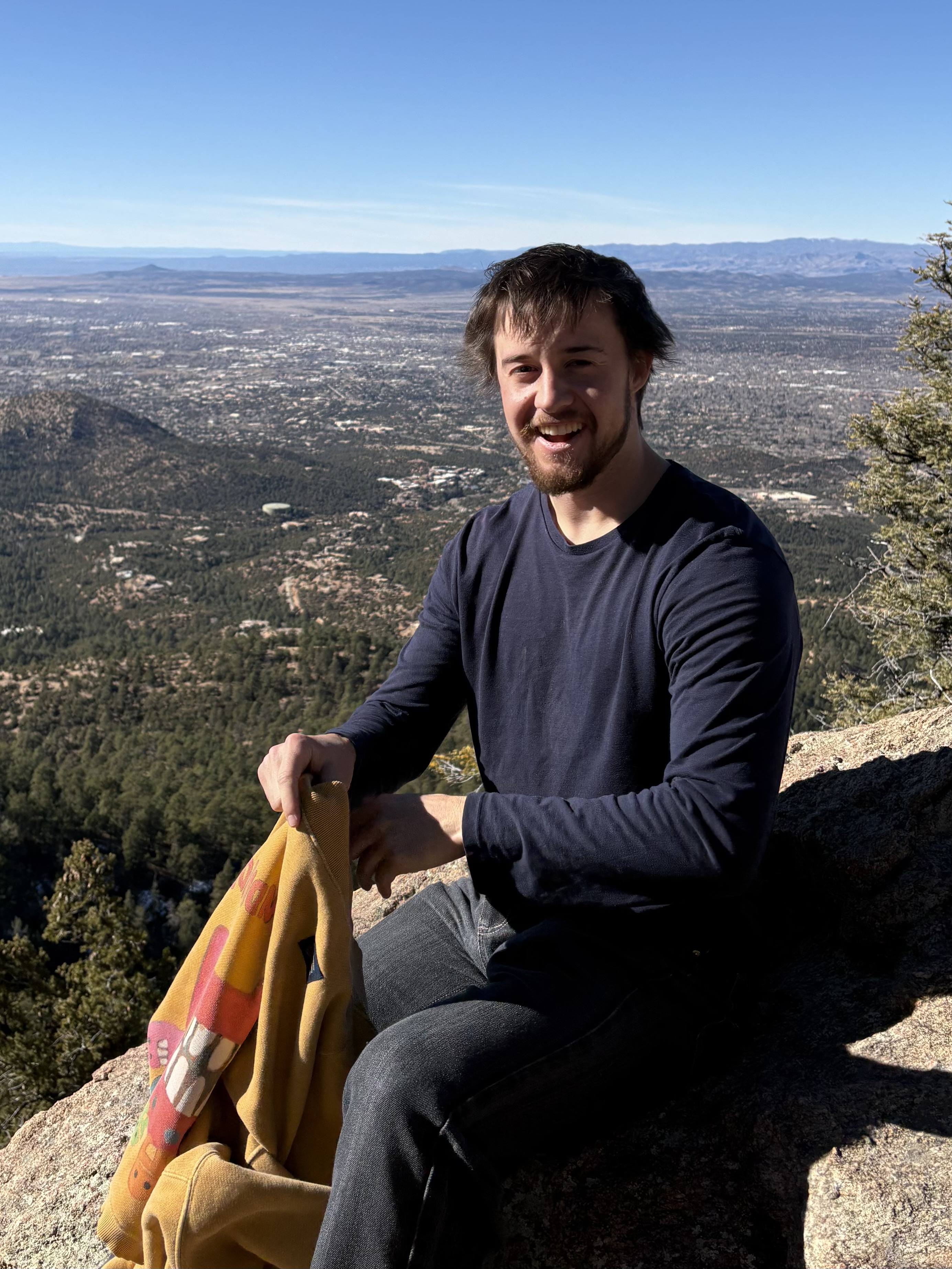
I am a recent graduate of Grinnell College, where I studied Studio Art and Biology. I also studied abroad in the Galapagos Islands through the Universidad San Francisco de Quito, where I grew interested in tropical ecology and marine ecosystems. As an artist and aspiring biologist, I am excited about how art can be used to share scientific insights with wider audiences. In particular, I explore how art can connect others to the excitement and curiosity I feel about nature. In the past, I have worked with natural history museums in New Mexico (where I am from) to produce scientific illustrations of collection specimens and recent discoveries.
I am excited be a part of the O’Dea lab and to build on my prior art and research experiences. I will be using field observations to create artwork documenting and comparing coral reef, mangrove, and seagrass ecosystems. I will also be comparing present and past marine ecosystems and learning about paleontological lab techniques, such as fossil extraction and identification. By the end of the internship, I will exhibit a body of work centered on the biodiversity and ecological structure of marine habitats across ecosystems and time periods. My hope is that, through art, I can share the work happening at the O’Dea lab in a way that can be appreciated by a range of scientists and non-scientists.
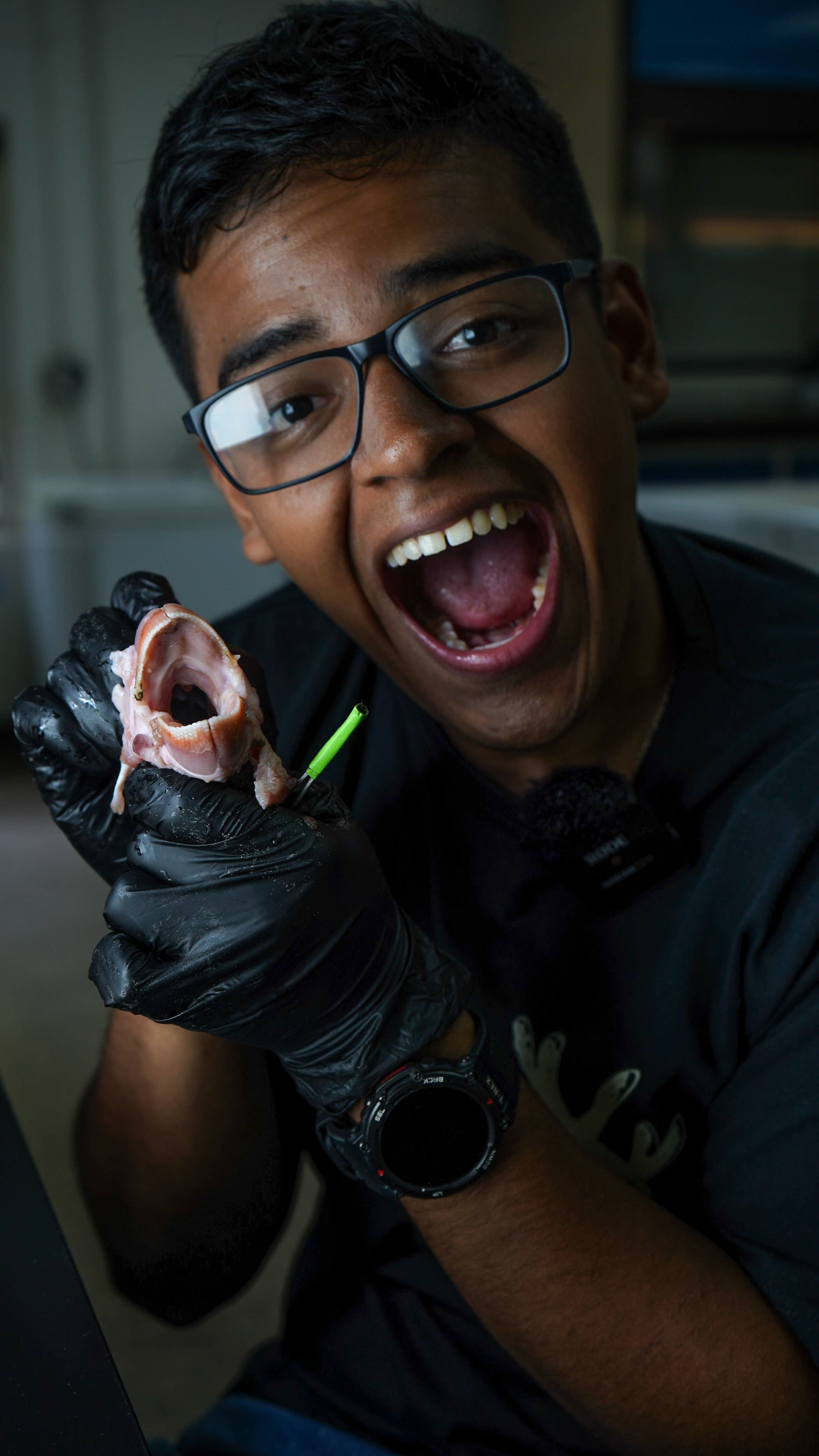


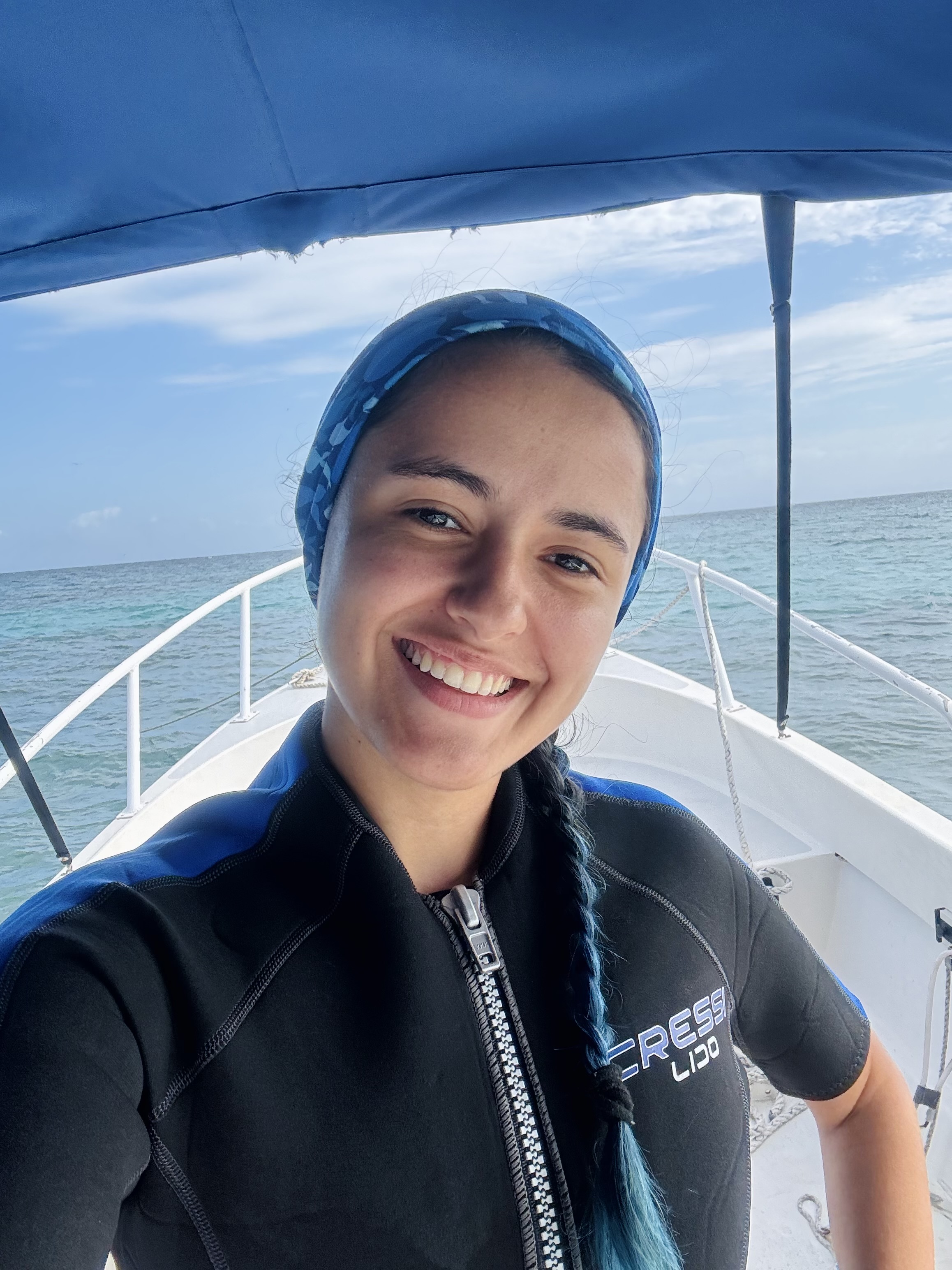
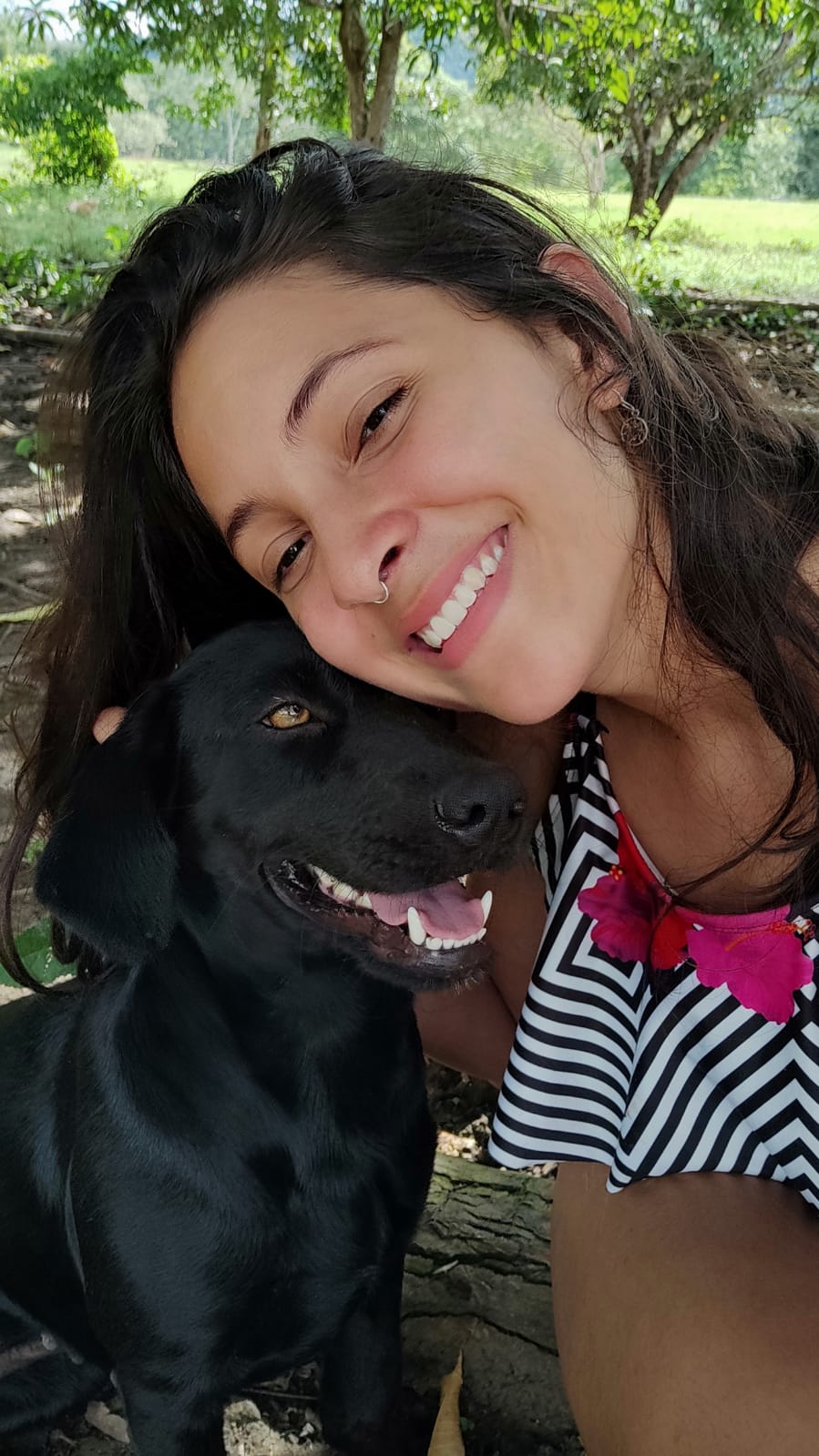
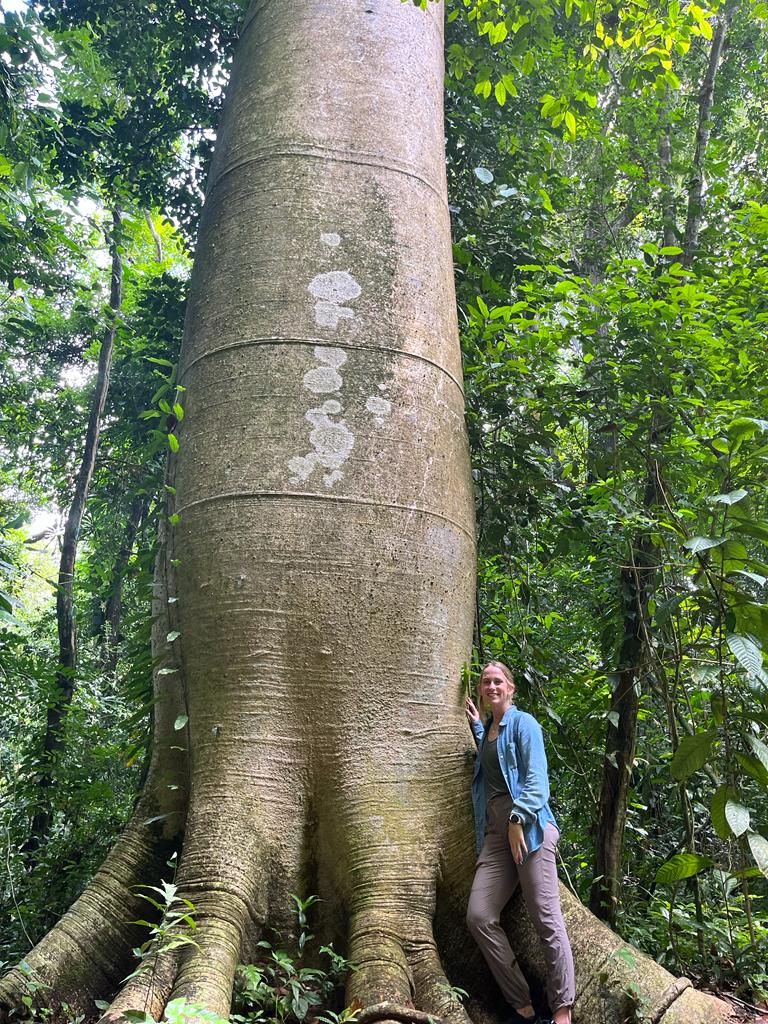

 I’m a Biology undergraduate student at University of Panama profoundly interested in Marine Biology and paleontology, especially the evolution, adaptation and ecology of coral reefs. I’m working on a project that consists of reconstructing the Caribbean reef fish communities of the past, and my master tools for this research are fish otoliths. Otoliths have distinct shapes that enable us to identify fish families, sometimes even to the level of species and fossil otoliths may help us reconstruct the reef fish community of the Caribbean 7000 years ago (i.e. before human impacts). This information will provide a baseline that will enable us to compare “pristine” with modern reef fish communities.
 O'Dea Lab
You must be logged in to post a comment.